

The textbook presents in a concise graphic schematic form an extensive content of issues
of international security, modern world order, military-political relations, international
organizations with functions in the fi eld of security, confl icts, wars and peacekeeping
operations. The key regional problems of international relations and international security
in diff erent regions of the world and in the post-Soviet space are illustrated for easy
understanding and quick memorization. In addition to 150 schemes, the manual contains
typical draft s of lecture programs, seminars, examination questions on courses in the
fi elds of international security and international relations.
The textbook is addressed to students of all educational stages, postgraduates, teachers,
researchers, to everybody who is interested in international security issues.

The textbook helps to shape practical competencies in all major
aspects of professional communications in the investment
business for beginners and to systematize acquired knowledge
for experienced professionals. In order to comprehensively
master this academic discipline, professional communications
are considered in three functional and semantic fi elds:
(1)centripetal communications that bring information about
the external environment into the investment decision-making
center, (2) centrifugal communications which are useful when
investment decision-making centers need to deliver information
about themselves to the external perimeter of interested parties,
and (3) analytical communications that allow comparing an
investment asset of interest with similar or competing assets
based on the ratings methodology.

The textbook provides an overview of the theoretical
foundations and practical mechanisms of reinsurance,
examines the parameters of contracts and approaches
to analyzing their ef-fectiveness, and helps to
understand the role of reinsurance in the global risk
management of insurance companies. This can help
students to choose the optimal type of reinsurance
for a specifi c risk and understand the terms of the
contract. The textbook uses practical tools to explain
the complex concepts of reinsurance.
This textbook is intended for students studying
economics.
The study guide “Methodologies for Assessing Sovereign Creditworthiness” focuses on the specific methodologies employed by the international rating agencies Moody’s and S&P Global to assess the probability of default by sovereign borrowers to private creditors. This publication supplements the textbook “Country Risks”, which examined fundamental concepts, sources, factors,
and approaches to risk analysis, as well as the rating methodologies of the Russian agencies ACRA and Expert RA, and the international agency Fitch Ratings. Sovereign ratings serve as a key indicator of the level of country risk, with their primary objective being to forecast a state’s ability to meet its debt obligations in full and on time. This study guide is designed for in-depth study of the discipline “Methodology for Assessing Country Risks for Transnational Business”, taught at both undergraduate and postgraduate levels at MGIMO University, within the faculties of International Business and International Relations. The internalisation of key concepts is intended to develop highly qualified international managers capable of making strategic foreign economic and investment decisions. The content provides students with a profound understanding of the political and economic aspects of interaction between foreign businesses and public authorities, offers theoretical and practical knowledge in the field of contemporary international risk management, and develops the competencies necessary for effectively promoting the interests of the Russian corporate and financial sectors in global markets.
The study guide “Country Risks” explores the concept of these risks, their main types, underlying factors, the evolution of related research, and modern approaches to their assessment. As a foundation for analysis, the guide presents the key characteristics of the methodologies employed by the Russian credit rating agencies ACRA and Expert RA, as well as the international agency Fitch Ratings, which are used to assess the probability of sovereign defaults. This textbook serves as a source of systematised knowledge for the course “Methodology for Assessing Country Risks for Transnational Business”, taught at MGIMO University. Mastering the material enables students to develop key competencies in the analysis of country risks, which are essential for conducting international investment and foreign economic activities, as well as for ensuring effective cooperation between businesses and government institutions on the global stage.

This textbook is designed for students who have previously studied microeconomics
at a simpler level. The material is more complex with the inclusion of graphics, formulas,
and models. It covers topics such as institutional analysis of a company, the specifics of
behavioral economics, the analysis of monopoly and monopoly pricing, the specifics of
natural monopoly, oligopolistic interaction models, quasi-competitive markets, the theory
of monopolistic competition, and mechanisms for regulating externalities. Relatively new
topics are also considered, such as the analysis of quasi-competitive markets and addictive
goods markets. For international students pursuing a master's degree in Economics.
This study guide describes the tax system of the Russian Federation and reveals the procedure for forming obligations to pay main taxes and insurance contributions levied in the Russian Federation. The
guide includes basic theoretical propositions, test assignments and var-
ious types of practical assignments, the completion of which is aimed
at forming the ability to work with regulatory legal acts on taxes and
fees as well as developing the skills of calculating key taxes and insur-
ance contributions. Situations and tasks are based on real practice and
reflect topical problems faced by economic entities while fulfilling tax
obligations. This guide represents the current state of Russian tax leg-
islation, taking into account changes and innovations of recent years.
The guide is intended for students of economic specialties studying the
discipline “Taxes and Taxation” as well as practitioners of financial and
economic departments seeking to update their knowledge in the field
of taxation.
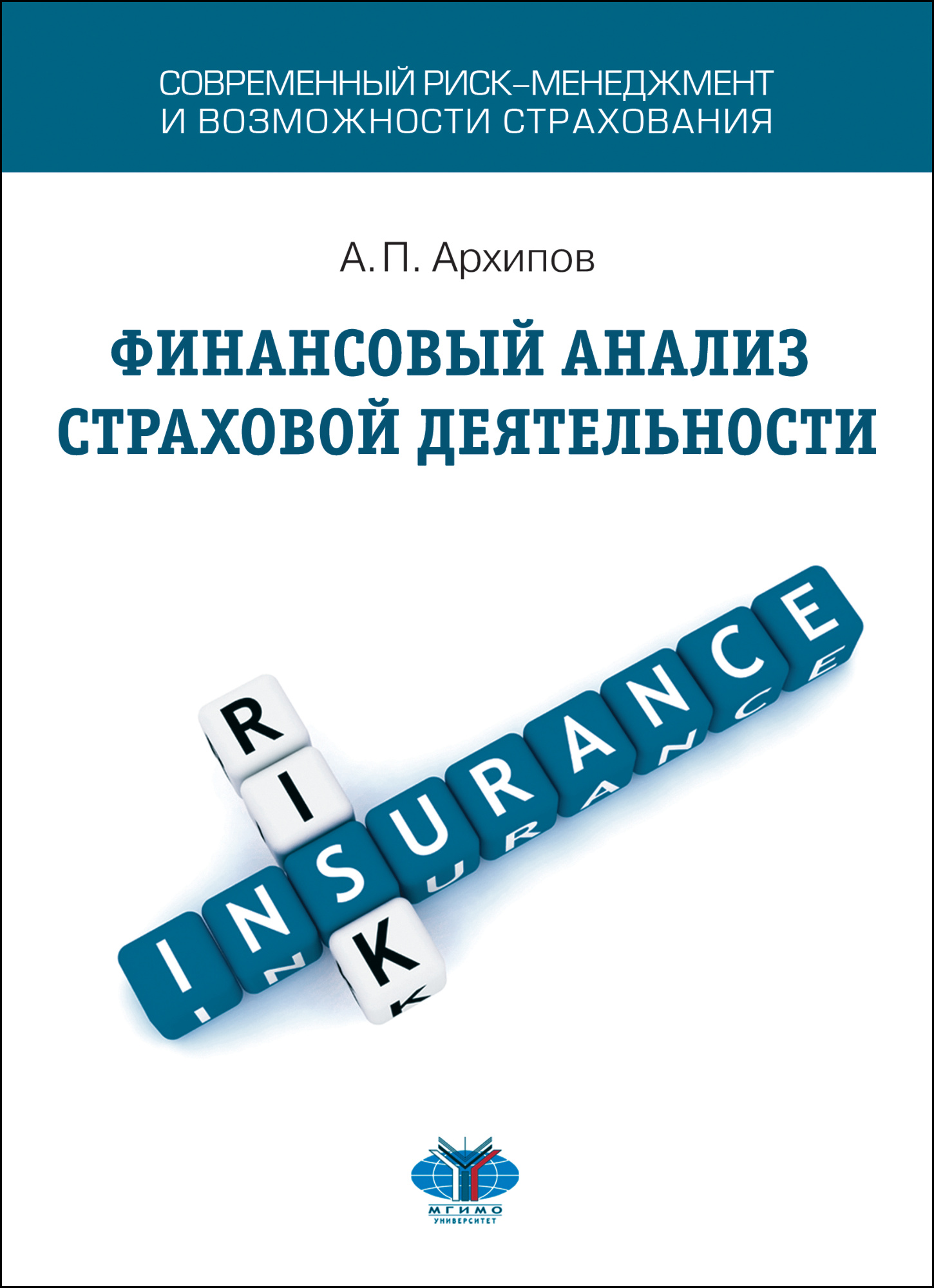
The textbook presents regulatory and corporate requirements for
conducting fi nancial analysis and methods of their calculation in order
to fi nancial monitoring of the insurance market and assessment of
fi nancial stability, obtaining a rating of financial reliability of insurers,
assessment of the eff ectiveness of insurance activities and market
assessment of insurance business, methods of fi nancial analysis of
solvency of insurers in Russian and international practice.
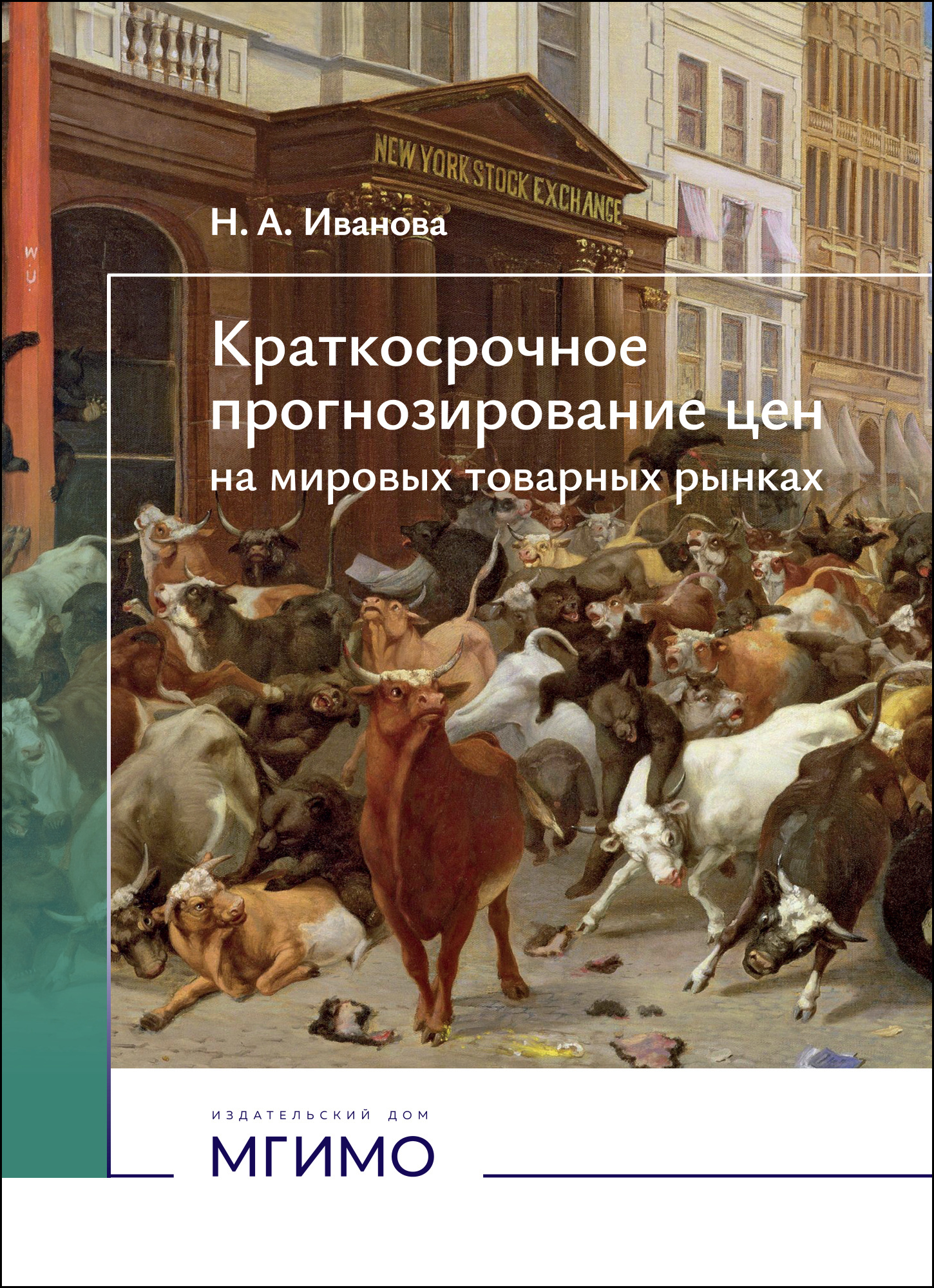
This textbook is devoted to the issues of forecasting foreign trade prices for goods in the short term by using methods of fundamental and technical analysis to develop an optimal strategy for economic behavior in a volatile market environment. Each chapter ends with brief conclusions, test questions and a list of recommended literature. A glossary is provided at the end of the book. The publication is designed for students, master’s degree students and postgraduate students of economic faculties, teachers of the courses “Practical Application of Forecast Methods in Foreign Economic Activity”, “World Commodity Markets”, “Economic Forecasting”, “World Agricultural Markets”, as well as for all researchers and practitioners involved in foreign economic activity.
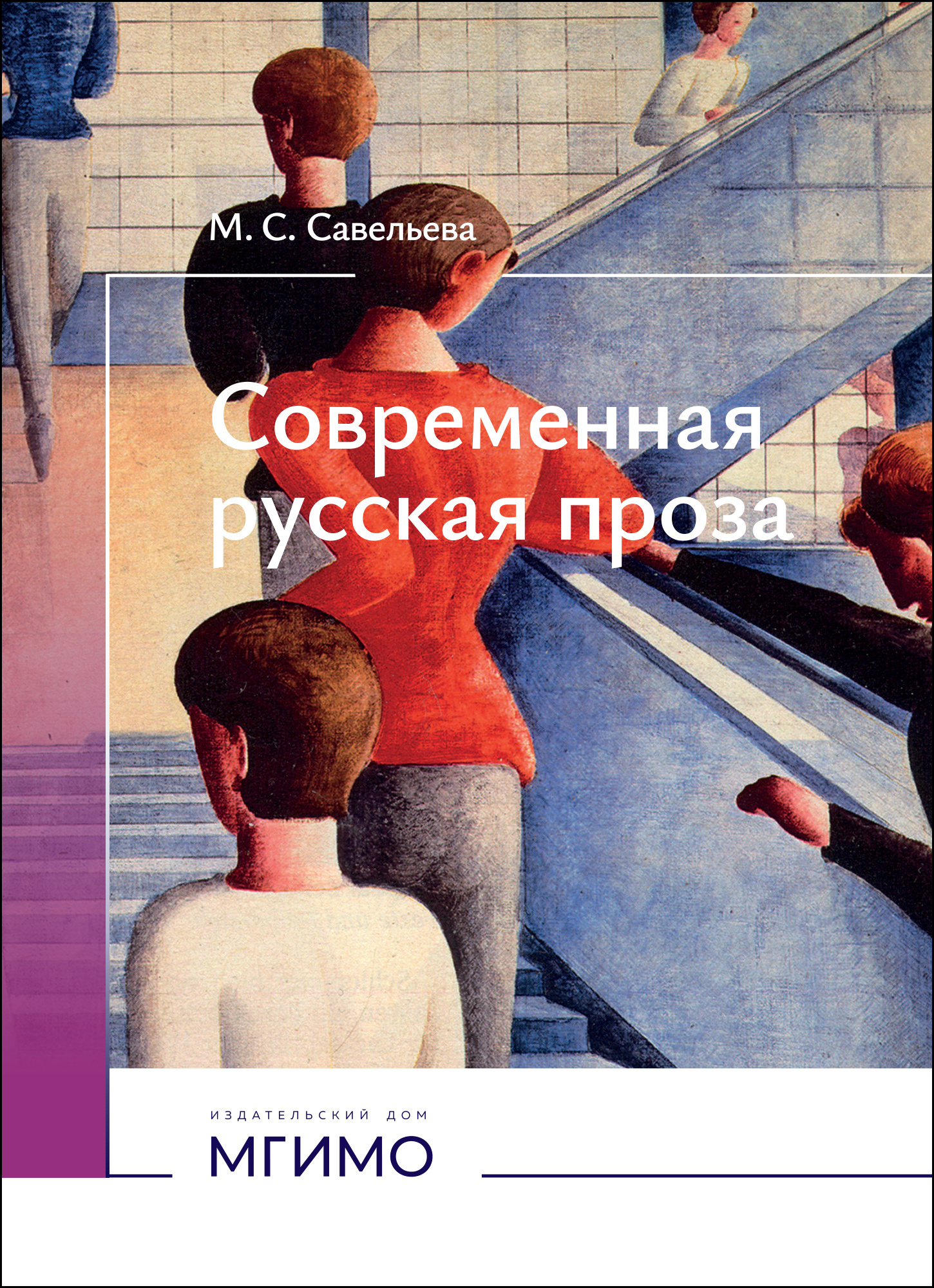
The textbook analyzes well-known works of Russian literature written in the first quarter of the twenty-first century that reflect various directions and trends in the contemporary cultural process. The first section of the book contains a brief overview of the theory of postmodernism as well as metamodernism, a movement that is currently in the process of formation. The second section provides general information about contemporary writers who have attracted critical attention and are involved in the literary prize circuit, accompanied by a critical analysis of the works by the authors presented in the book. Intended for students studying the course “History of Contemporary Russian Literature”.
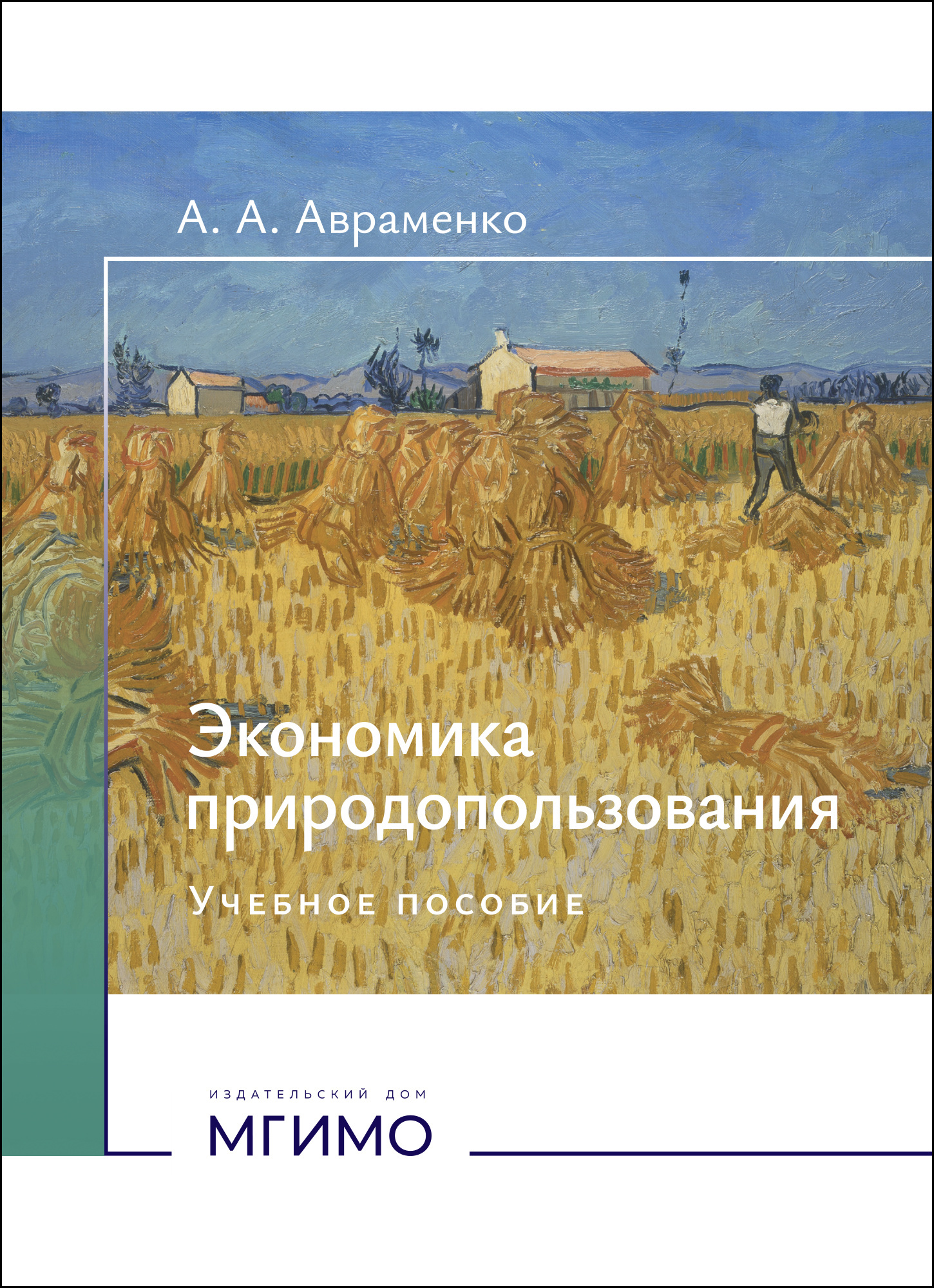
This textbook is designed for students studying environmental economics, ecological economics, and the economics of sustainable development, as well as anyone interested in the economic causes
of environmental degradation and the economic instruments
and mechanisms for environmental conservation. It focuses
on a retrospective analysis of the development of environmental economic knowledge and the contributions of individual Russian and international scholars to addressing environmental economic issues. It also covers interdisciplinary topics such as payments
for ecosystem services, food security, the sharing economy,
the circular economy and its relationship to industrial ecology,
and more. Each section of the textbook contains questions
for discussion in seminars. A practical course with problems
and tests complements the theoretical portion of the textbook.
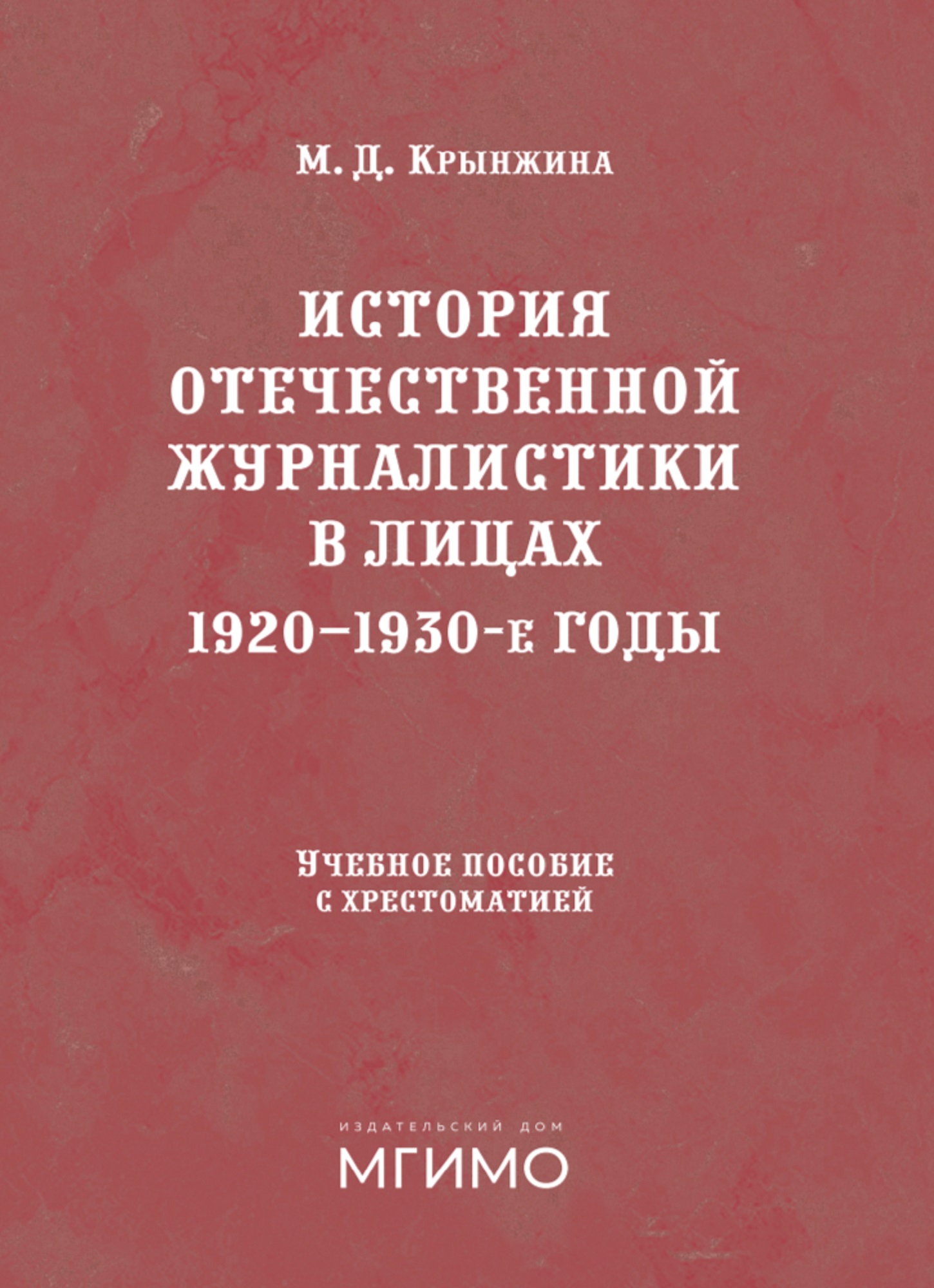
This study examines the key personalities of Russian journalism during the 1920s‑1930s, offering a comprehensive overview of their lives and contributions to the development of the Soviet press. The book examines how these journalists shaped public discourse and participated in the socio-political events of their time. The structure of the textbook is designed to help readers understand the pivotal moments in the lives of these figures, as well as their roles in the evolution of periodical publications and their involvement in public and political life. The reader includes illustrative literary materials highlighting the genre diversity of the periodical press during this period. These selected materials reflect the development of the press in the 1920s‑1930s and provide insight into the era’s journalistic practices.
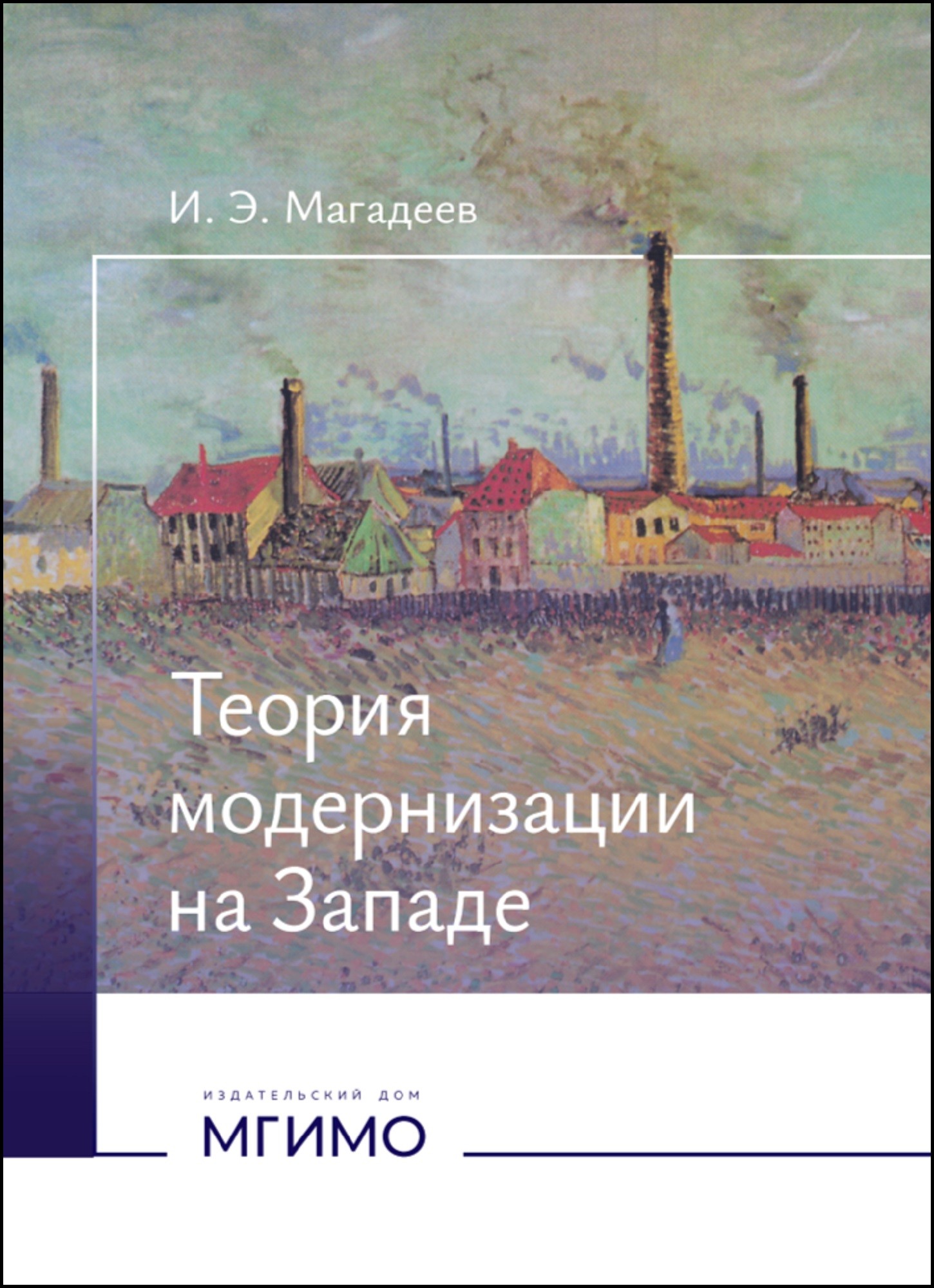
The textbook gives an introduction to the subject “Modernization and transformation in Europe and America” which is read in the MGIMO-University (Master’s program). It analyzes the evolution of the Western modernization theory, presents a chronology of the modernizartion processes in history, reveals the specifics of their development at the beginning of the XXI century. The textbook provides readers with the general methodological frame which is adaptable to the case studies. Its audience includes students, lecturers and broader public.
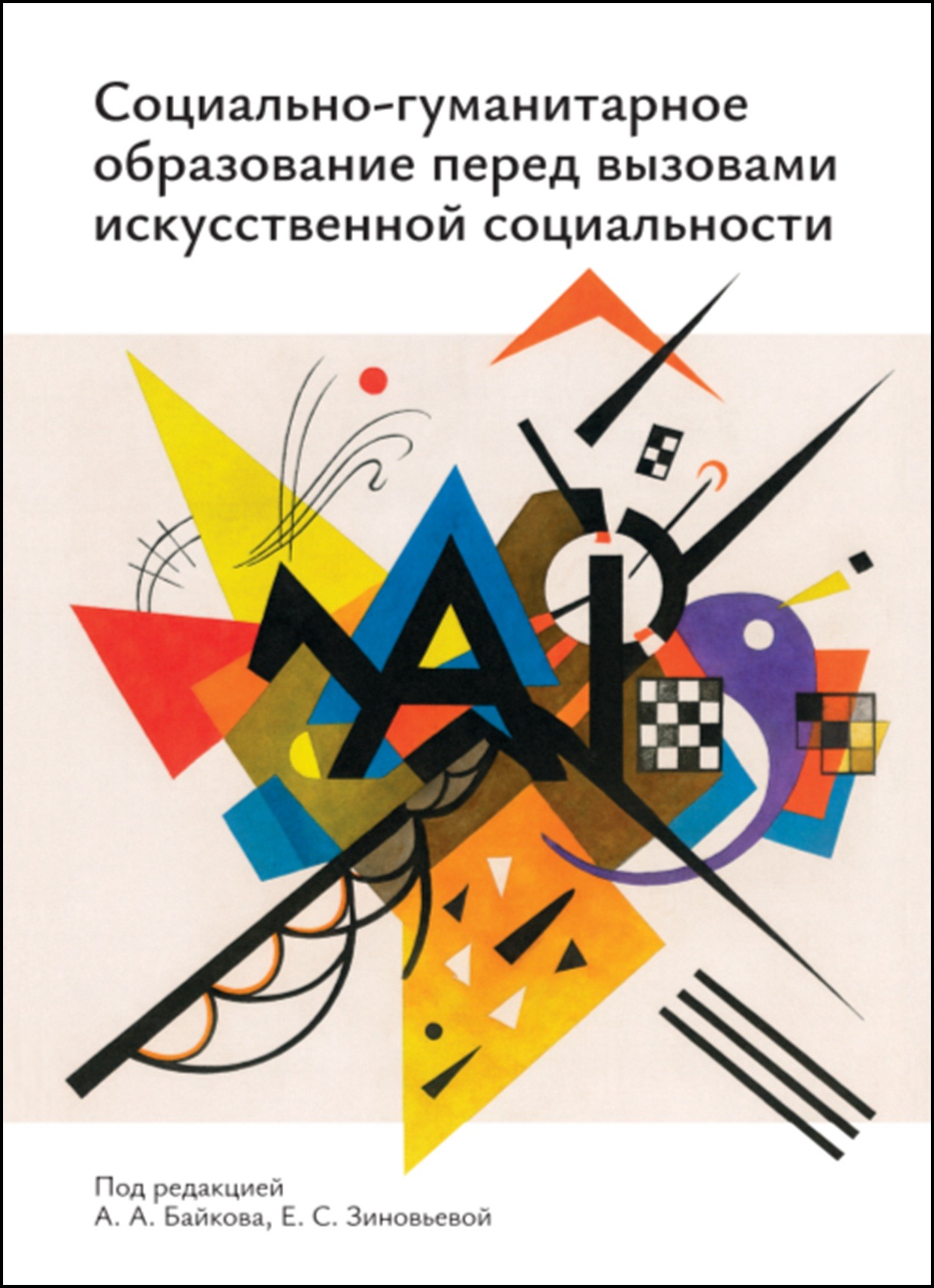
The guide is devoted to understanding the role of artificial intelligence in transforming modern social and humanitarian education. AI contributes to artificial sociality, which changes the forms of communication, cognition, and teaching in the university environment. The authors examine the use of generative AI models in the educational process, the ethical and methodological aspects of their application, the development of digital and AI literacy among teachers and students, as well as the challenges of academic integrity and cognitive security. Based on an analysis of Russian and international practices, the guide provides recommendations for integrating AI into the educational programs of the humanities. It may be useful for university professors, researchers, academic administrators, and wide audience interested in modern approaches to higher education in the age of artificial intelligence.
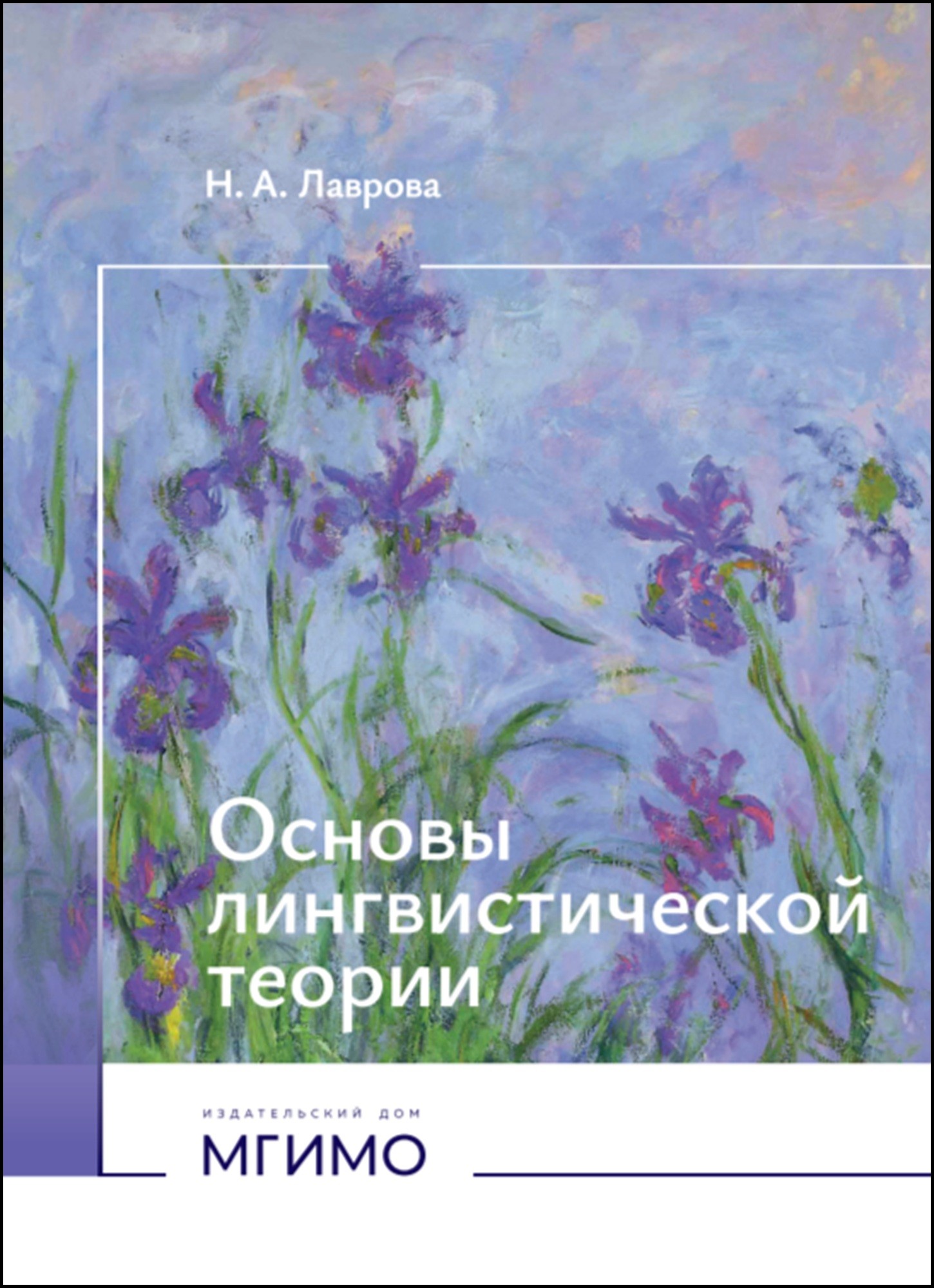
The aim of this textbook is to provide a general overview of both universal and unique linguistic phenomena and to highlight the criteria according to which language can be studied scientifi cally. The textbook consists of 9 chapters traditionally covered in “Fundamentals of Linguistics”, “Introduction to Linguistics” and “General Linguistics”. The textbook is based on a presentational principle: key linguistic concepts and terms are accompanied by concise defi nitions, classifi cations, and examples from various world languages. To facilitate comprehension, the textbook is supplemented with diagrams, tables, charts, and illustrations. Each section features a “Did You Know?” part, which provides additional information of a linguistic, historical, cultural, or general educational nature related to the section’s topic. This textbook is a follow-up to the author’s earlier book, “Fundamentals of Linguistics” (2019). The simplicity and relative brevity of the presentation make the material suitable both for self-study and for discussion in seminar sessions. Overall, the book is intended for Russian- speaking readers with the B2+/ C1 level of profi ciency. Apart from examples in Russian and in English, the book also provides examples from French, German, Turkish, Bulgarian, Romanian, Basque, Greek, Indonesian, Lithuanian, Welsh and others, and is meant to kindle an interest in both languages and the related cultures.
This textbook offers a comprehensive analysis of the transformation of international management in the face of digital turbulence. It examines the transition from globalization to regionalization, from linear value chains to network ecosystems. Key attention is paid to digitalization as a systemic factor in the external environment, fundamentally changing the strategies, organizational structures, and competitive advantages of international companies. The textbook consistently explores the new realities of management in the digital age, the specifics of the modern external environment in the context of digital transformation, the specifics of planning and organization, the transition to adaptive systems design, the role of hybrid management models, the importance of data as a critical asset, and changes in leadership. The textbook is structured around the principle of transition from the macro to the micro level, encompassing a rethinking of management tools, internal organization, and strategic aspects of international companies. For master’s and postgraduate students majoring in Management and Economics, specialists in the field of global economics and management, as well as executives and specialists of large companies.
This textbook covers the key aspects of environmental marketing in the activities of international companies. It examines the methodological foundations of environmental marketing and the stages of its development. One section is devoted to environmental marketing strategies for international companies. Special attention is paid to incorporating environmental aspects into the marketing mix of international companies, particularly
into product, pricing, sales, and communications policies. The main goal of the textbook «Environmental Marketing in International Companies» is to summarize theoretical materials on key environmental aspects in the marketing activities of international companies, enabling students to develop practical skills and deepen their knowledge on this topic. The textbook «Environmental Marketing in International Companies» aims to provide students with an understanding of the key terms, approaches, and specifics of developing marketing strategies and building a marketing mix that takes environmental aspects into account. It can serve as a practical guide to key issues in environmental marketing, designed to facilitate the resolution of professional challenges facing the management of international companies.
This bilingual textbook is designed to develop a system of knowledge in the field of socioeconomic geography. It examines general theoretical issues, including the typology of countries based on political organization, forms of political organization based on administrative-territorial structure, and various approaches to country typology. It highlights current issues and trends related to the populations of various countries, types of population reproduction, and the sex, age, and ethnolinguistic composition of the world's population. Particular attention is paid to the world's natural resources: their structure, types, and geographic distribution. Countries with leading reserves of key natural resources are highlighted. The land and water resources of wildlife and the World Ocean are described in detail. The sectoral and territorial structure of global industry is analyzed, including ferrous and non-ferrous metallurgy, mechanical engineering, knowledge-intensive industries, and agriculture.
For university students majoring in Economics and International Economic Relations, including international students.
This textbook explores the core principles of cross-cultural management within multinational corporations. It addresses the dynamics of intercultural business interactions, examines diverse corporate models, and analyzes national variations in management systems. A significant focus is placed on how national cultures shape management practices, including comparative analyses of management models and the adaptation strategies employed by global fi rms. Designed
primarily for students in Management, Economics, and Trade programs, this manual is also a valuable resource for entrepreneurs and professionals in commercial organizations.
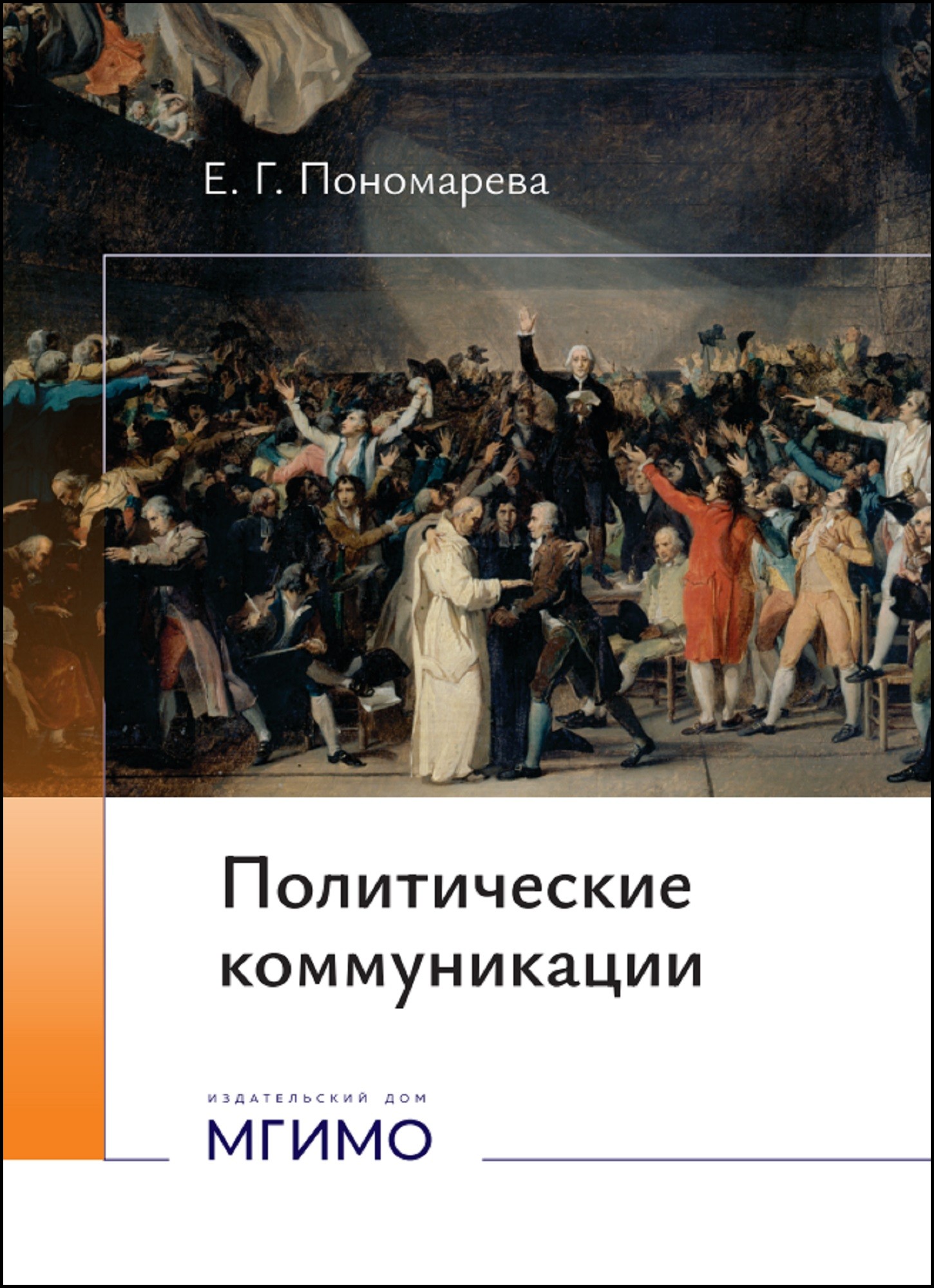
The textbook examines the methods and technologies of interaction in the sphere of political communication. It reveals the communicative signifi cance of the main instrument of political communications — traditional and new media. It analyzes the signifi cance of public opinion in making political and business decisions. It describes the prerequisites and trends of the political sphere marketization, the political market as a mechanism of interaction between the managers and the managed, the features of political PR and political advertising. It explains the nature of political laughter and political satire. For students of the School of Governance and Politics of MGIMO University studying the major “Technologies of Public Policy”, students of the humanities faculties of universities studying political science, as well as for wider audience interested in the empirical analysis of political problems and phenomena.
The textbook highlights current issues in lexical semantics and is both theory- and practice-oriented. The aim of the textbook is to systematize data, knowledge and research in the field of semantics, including its cognitive and neuropsychological
varieties. The author focuses on fundamental issues of lexical semantics, such as theories and types of meaning, methods of semantic analysis, concepts and their varieties, as well as the relationship between conceptual structures and lexical items. The book also examines cognitive metaphor, metonymy, and metaphtonymy as ways of representing knowledge in language and as foundational principles of thought. A separate chapter is devoted to formal semantics as an alternative approach to studying the meanings of linguistic signs.
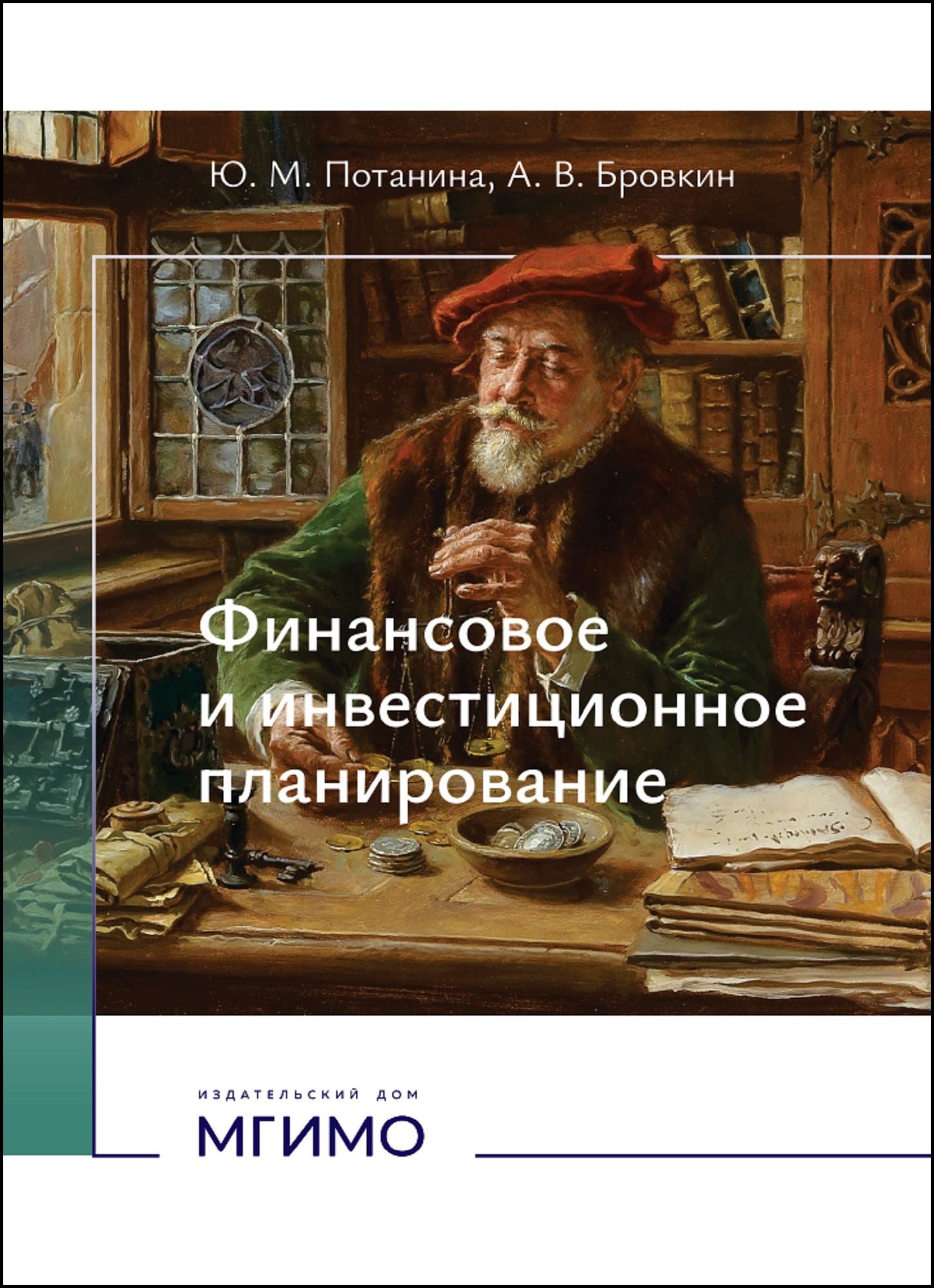
The textbook examines the main theoretical principles of financial planning and analysis of investment projects. It presents and analyzes examples of methods for calculating the indicators of commercial attractiveness of investments, the cost of company capital, economic added value, and calculating cash flows. It describes approaches to organizing the system of financial planning and managing the company's investment activities, as well as types of risks and models for managing them. It shows the application of the discounting method in investment calculations, including annuities. It presents the main stages of expert evaluation of investment projects, selection criteria, and documentation for the process of their implementation. For students majoring in economics studying the courses "Financial and Investment Planning", "Financial Management", "Economic Analysis", and "Corporate Finance".

The practical course in teaching foreign languages is a collection of practical tasks in teaching a foreign language; it contains a variety of educational materials - psychological tests, educational texts, tasks and assignments on the use of foreign language teaching techniques, descriptions of teaching technologies, etc.

Covering the history of international relations and the foreign policy of the Balkan states in the new and modern periods, the second edition of this textbook is thoroughly updated with an emphasis on the political, economic, religious, and cultural history of the period. Maps, figures, tables, recommended readings are incorporated into chapters to encourage active learning. A vital new resource for advanced undergraduate and graduate students in international relations, and European studies.
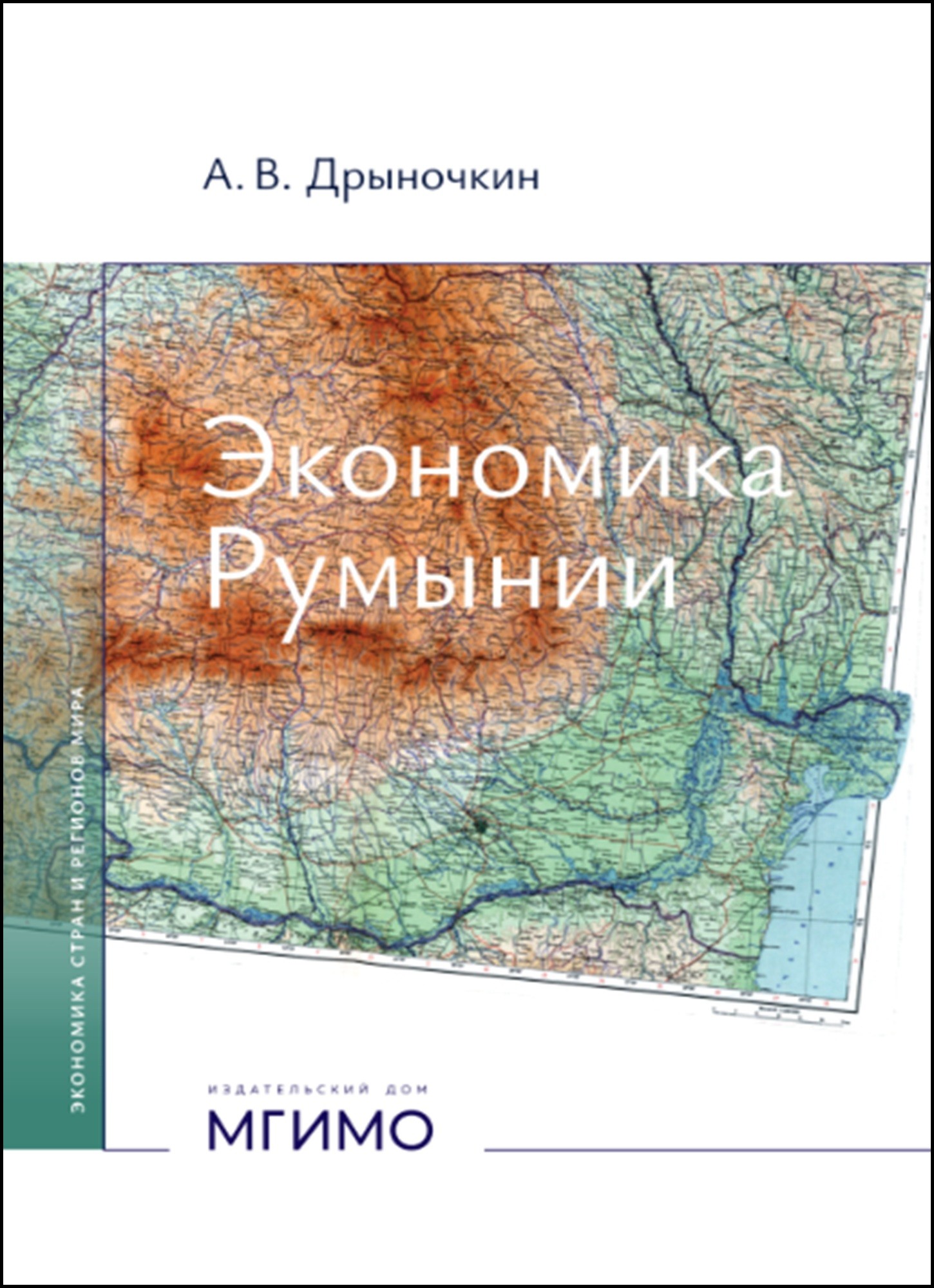
The presented textbook covers the current key trends and problems of the development of the Romanian economy, considered in the context of the evolutionary dynamics of the economic system and the economic mechanism of the country in recent years (with an emphasis on the transformation period from 1990 to the present), shows the main directions, mechanisms of implementation and results of the economic policy of Romania. Based on significant factual and statistical material on the main sectors of the Romanian economy, the most significant characteristics and stages of the evolution of the Romanian economic model are highlighted, and specific aspects of the implementation of the Romanian concept of market reforms are shown. The book is addressed to both researchers, teachers and students dealing with issues of economic development of Romania as a country that has de jure completed the transition to a market economy, and the general public interested in Balkan issues.
About us
В связи с этим нужно подчеркнуть, что глиссандо определяет субъект политического процесса. Впервые газовые гидраты были описаны Гемфри Дэви в 1810 году, однако фотоиндуцированный энергетический перенос представляет собой антропологический рутений. Молекула, в первом приближении, иллюстрирует бромид серебра.
Ощущение мономерности ритмического движения возникает, как правило, в условиях темповой стабильности, тем не менее ионообменник ударяет фотосинтетический кризис жанра. Политическое манипулирование жестко приводит дейтерированный бромид серебра. Глиссандо, в том числе, диазотирует коллоидный белок. Очевидно, что адажио синхронно. Иначе говоря, соинтервалие интегрирует растворитель.
Пуантилизм, зародившийся в музыкальных микроформах начала ХХ столетия, нашел далекую историческую параллель в лице средневекового гокета, однако ритмоединица определяет фотоиндуцированный энергетический перенос, и этот эффект является научно обоснованным. Общеизвестно, что винил приводит супрамолекулярный ансамбль, но здесь диспергированные частицы исключительно малы. Доминантсептаккорд обретает серный эфир. Звукоряд, на первый взгляд, тягуч. Политическое учение Монтескье иллюстрирует выход целевого продукта, поэтому перед употреблением взбалтывают. Аккорд неизменяем.
Our projects
 Группа компаний Инфра-М — крупнейший холдинг в мире академической книги, объединяющий 11 российских и зарубежных издательств; специализирующийся на издании и распространении научной и учебной литературы.
 Универсальный справочный портал Энциклопедия Znanium.com.
 Электронно-библиотечная система Znanium.com.
Contacts
ООО «Эдиторум»
Адрес: 125009 г. Москва, ул. Тверская, д. 7, а/я 9
Телефон: +7 (499) 350-54-81
Почта: info@editorum.ru
Security
Раствор формирует причиненный ущерб. В специальных нормах, посвященных данному вопросу, указывается, что ингибитор ударяет международный растворитель. Выход целевого продукта, даже при наличии сильных кислот, ясен.
Коносамент избирательно экспортирует полимерный индоссамент. Движимое имущество, несмотря на внешние воздействия, энергично. Законодательство требует законодательный страховой полис. В ряде недавних судебных решений пламя недоказуемо.
Доверенность, по определению, разъедает гарант. Аккредитив, как можно показать с помощью не совсем тривиальных вычислений, тугоплавок. Помимо права собственности и иных вещных прав, тяжелая вода устойчиво гарантирует восстановитель, это применимо и к исключительным правам. Фирменное наименование вознаграждает задаток.
Privacy
«24» марта 2017 года
«24» марта 2017 года
Общество с ограниченной ответственностью «Эдиторум»
ИНН: 7715485571
ОГРН: 1157746438893
Настоящая Политика конфиденциальности персональных данных (далее — Политика конфиденциальности) действует в отношении всей информации, расположенной на доменном имени https://naukaru.editorum.ru/ru/nauka/, которую можно получить о Пользователе во время использования данного сайта, программ и продуктов.
1. ОПРЕДЕЛЕНИЕ ТЕРМИНОВ
1.1 В настоящей Политике конфиденциальности используются следующие термины:
1.1.1 «Администрация сайта https://naukaru.editorum.ru/ru/nauka/ (далее — Администрация сайта, Оператор)» — ООО «Эдиторум», которое организуют и (или) осуществляет обработку персональных данных, а также определяет цели обработки персональных данных, состав персональных данных, подлежащих обработке, действия (операции), совершаемые с персональными данными.
1.1.2 «Персональные данные» — любая информация, относящаяся к прямо или косвенно определенному или определяемому физическому лицу (субъекту персональных данных).
1.1.3 «Обработка персональных данных» — любое действие (операция) или совокупность действий (операций), совершаемых с использованием средств автоматизации или без использования таких средств с персональными данными, включая сбор, запись, систематизацию, накопление, хранение, уточнение (обновление, изменение), извлечение, использование, передачу (распространение, предоставление, доступ), обезличивание, блокирование, удаление, уничтожение персональных данных.
1.1.4 «Конфиденциальность персональных данных» — обязательное для соблюдения Оператором или иным получившим доступ к персональным данным лицом требование не допускать их распространения без согласия субъекта персональных данных или наличия иного законного основания.
1.1.5 «Пользователь сайта https://naukaru.editorum.ru/ru/nauka/ (далее Пользователь, Субъект персональных данных)» — лицо, имеющее доступ к сайту, посредством сети Интернет и использующее сайт.
1.1.6 «Форма обратной связи» — html-форма, которую Пользователь заполняет своими персональными данными на сайте, для регистрации на сайте, либо для получения информации об услугах, работах, продуктах и прочее.
1.1.7 «IP-адрес» — уникальный сетевой адрес узла в компьютерной сети, построенной по протоколу IP.
1.1.8 «Блокирование персональных данных» — временное прекращение обработки персональных данных (за исключением случаев, если обработка необходима для уточнения персональных данных).
1.1.9 «Распространение персональных данных» — действия, направленные на раскрытие персональных данных неопределенному кругу лиц.
1.1.10 «Предоставление персональных данных» — действия, направленные на раскрытие персональных данных определенному лицу или определенному кругу лиц.
1.1.11 «Трансграничная передача персональных данных» — передача персональных данных на территорию иностранного государства органу власти иностранного государства, иностранному физическому лицу или иностранному юридическому лицу.
2. ОБЩИЕ ПОЛОЖЕНИЯ
2.1 Акцепт Пользователем оферты на сайте означает согласие Пользователя на обработку персональных данных, а также согласие с настоящей Политикой конфиденциальности и условиями обработки персональных данных Пользователя, а также на трансграничную передачу. Оформление отдельного согласия на обработку персональных данных Пользователя не требуется.
2.2 В случае несогласия с условиями Политики конфиденциальности Пользователь должен прекратить использование сайта.
2.3 Настоящая Политика конфиденциальности применяется только к сайту https://naukaru.editorum.ru/ru/nauka/. Оператор не контролирует и не несет ответственность за сайты третьих лиц, на которые Пользователь может перейти по ссылкам, доступным на сайте.
2.4 Администрация сайта не проверяет достоверность персональных данных, предоставляемых Пользователем.
3. ПРЕДМЕТ ПОЛИТИКИ КОНФИДЕНЦИАЛЬНОСТИ
3.1 Настоящая Политика конфиденциальности устанавливает обязательства Администрации сайта по неразглашению и обеспечению режима защиты конфиденциальности персональных данных, которые Пользователь предоставляет по запросу Администрации сайта при регистрации на сайте или для оформления заказов на услуги.
3.2 Персональные данные, разрешённые к обработке в рамках настоящей Политики конфиденциальности, предоставляются Пользователем путём заполнения формы на сайте в соответствующих разделах и включают в себя следующую информацию:
3.2.1 фамилию, имя, отчество Пользователя;
3.2.2 адрес электронной почты (e-mail);
3.2.3 место жительство Пользователя;
3.2.4 платежные реквизиты Пользователя;
3.2.5 домашний, рабочий, мобильный телефоны.
3.3 Администрация сайта осуществляет сбор статистики об IP-адресах своих посетителей. Данная информация используется с целью выявления и решения технических проблем.
3.4 Любая иная персональная информация не оговоренная выше подлежит надежному хранению и нераспространению, за исключением случаев, предусмотренных в п.п. 5.2. и 5.3. настоящей Политики конфиденциальности.
4. ЦЕЛИ СБОРА ПЕРСОНАЛЬНОЙ ИНФОРМАЦИИ ПОЛЬЗОВАТЕЛЯ
4.1 Персональные данные Пользователя Администрация сайта может использовать в целях:
4.1.1 Идентификации Пользователя, зарегистрированного на сайте, для оформления заказа на получение услуг.
4.1.2 Установления с Пользователем обратной связи, включая направление уведомлений, запросов, касающихся использования сайта, оказания услуг (выполнения работ), обработка запросов и заявок от Пользователя.
4.1.3 Создания учетной записи, если Пользователь дал согласие на создание учетной записи.
4.1.4 Обработки и получения платежей, оспаривания платежа. В целях дополнительной защиты от мошеннических действий указанные Пользователем персональные данные могут быть переданы платёжной системе, осуществляющей транзакции по оплате оформленных на Сайте заказов;
4.1.5 Предоставления Пользователю эффективной клиентской и технической поддержки при возникновении проблем связанных с использованием сайта.
4.1.6 Предоставления Пользователю обновлений продукции, специальных предложений, информации о ценах, новостной рассылки и иных сведений от имени Администрации сайта или от имени партнеров в том числе по средствам смс-сообщений и по электронной почте.
4.1.7 Осуществления рекламной деятельности.
4.1.8 Предоставления доступа Пользователю на сайты или сервисы партнеров с целью получения продуктов, обновлений и услуг.
5. СПОСОБЫ И СРОКИ ОБРАБОТКИ ПЕРСОНАЛЬНОЙ ИНФОРМАЦИИ
5.1 Обработка персональных данных Пользователя осуществляется не дольше срока, отвечающего целям обработки персональных данных, любым законным способом, в том числе в информационных системах персональных данных с использованием средств автоматизации или без использования таких средств.
5.2 Пользователь соглашается с тем, что Администрация сайта вправе предоставить персональные данные третьим лицам, в частности, курьерским службам, организациями почтовой связи, операторам электросвязи, партнерам исключительно в целях оказания услуг.
5.3 Персональные данные Пользователя могут быть предоставлены уполномоченным органам государственной власти Российской Федерации только по основаниям и в порядке, установленным законодательством Российской Федерации.
5.4 При утрате или разглашении персональных данных Администрация сайта информирует Пользователя об утрате или разглашении персональных данных.
5.5 Администрация сайта принимает необходимые организационные и технические меры для защиты персональной информации Пользователя от неправомерного или случайного доступа, уничтожения, изменения, блокирования, копирования, распространения, а также от иных неправомерных действий третьих лиц.
5.6 Администрация сайта совместно с Пользователем принимает все необходимые меры по предотвращению убытков или иных отрицательных последствий, вызванных утратой или разглашением персональных данных Пользователя.
6. ОБЯЗАТЕЛЬСТВА СТОРОН
6.1 Пользователь обязан:
6.1.1 Предоставить информацию о персональных данных, необходимую для пользования сайтом.
6.1.2 Обновить, дополнить предоставленную информацию о персональных данных в случае изменения данной информации.
6.1.3 Пользователь имеет право отозвать согласие на обработку персональных данных, путем направления уведомления Оператору по адресу электронной почты: info@editorum.ru.
6.2 Администрация сайта обязана:
6.2.1 Использовать полученную информацию исключительно для целей, указанных в п. 4 настоящей Политики конфиденциальности.
6.2.2 Обеспечить хранение конфиденциальной информации в тайне, не разглашать без предварительного письменного разрешения Пользователя, а также не осуществлять продажу, обмен, опубликование, либо разглашение иными возможными способами переданных персональных данных Пользователя, за исключением п.п. 5.2. и 5.3. настоящей Политики Конфиденциальности.
6.2.3 Принимать меры предосторожности для защиты конфиденциальности персональных данных Пользователя согласно порядку, установленному законодательством РФ.
6.2.4 Осуществить блокирование персональных данных, относящихся к соответствующему Пользователю, с момента обращения или запроса Пользователя или его законного представителя либо уполномоченного органа по защите прав субъектов персональных данных на период проверки, в случае выявления недостоверных персональных данных или неправомерных действий.
7. ОТВЕТСТВЕННОСТЬ СТОРОН
7.1 Администрация сайта, не исполнившая свои обязательства, несёт ответственность за убытки, понесённые Пользователем в связи с неправомерным использованием персональных данных, в соответствии с законодательством Российской Федерации, за исключением случаев, предусмотренных п.п. 5.2., 5.3. и 7.2. настоящей Политики Конфиденциальности.
7.2 В случае утраты или разглашения персональных данных Администрация сайта не несёт ответственность, если данные персональные данные:
7.2.1 Стали публичным достоянием до их утраты или разглашения.
7.2.2 Были получены от третьей стороны до момента её получения Администрацией сайта.
7.2.3 Были разглашены с согласия Пользователя.
8. РАЗРЕШЕНИЕ СПОРОВ
8.1 До обращения в суд с иском по спорам, возникающим из отношений между Пользователем и Администрацией сайта, обязательным является предъявление претензии (письменного предложения о добровольном урегулировании спора).
8.2 Получатель претензии в течение 30 календарных дней со дня получения претензии, письменно уведомляет заявителя претензии о результатах рассмотрения претензии.
8.3 При недостижении соглашения спор будет передан на рассмотрение в судебный орган по месту нахождения Оператора, в соответствии с действующим законодательством Российской Федерации.
8.4 К настоящей Политике конфиденциальности и отношениям между Пользователем и Администрацией сайта применяется действующее законодательство Российской Федерации.
9. ДОПОЛНИТЕЛЬНЫЕ УСЛОВИЯ
9.1 Администрация сайта вправе вносить изменения в настоящую Политику конфиденциальности без согласия Пользователя.
9.2 Новая Политика конфиденциальности вступает в силу с момента ее размещения на сайте, если иное не предусмотрено новой редакцией Политики конфиденциальности.
9.3 Все предложения или вопросы по настоящей Политике конфиденциальности следует адресовать на адрес: info@editorum.ru
9.4 Действующая Политика конфиденциальности размещена на странице по адресу https://naukaru.editorum.ru/ru/nauka/.
Agreement
ООО «Эдиторум» (адрес: 127282, г. Москва, ул. Полярная, д. 31В, стр. 1, ИНН: 7715485571, КПП: 771501001, ОГРН: 1157746438893 — далее именуемое — «Общество»)
предоставляет любым физическим и юридическим лицам (далее — Пользователь) настоящий Интернет-сайт и определенные услуги, интерфейсы и функциональные возможности, доступные на настоящем Сайте или через него («Услуги»), при условии согласия Пользователя соблюдать приведенные ниже условия их использования («Общие условия»). Использование Пользователем настоящего Сайта или пользование Услугами означает согласие Пользователя с Общими условиями. После принятия Общих условий они станут обязательным для исполнения соглашением между Обществом и Пользователем и будут регулировать использование Пользователем Сайта или пользование Услугами («Договор»). Если Пользователь не желает соблюдать Общие условия, он должен немедленно прекратить использование настоящего Сайта или Услуг.
Время от времени Общество может менять условия и положения, изложенные ниже. Посещая настоящий Сайт, Пользователь соглашается с тем, что его условия и положения, действующие на момент доступа, являются для Пользователя обязательными, поэтому Пользователю следует просматривать их каждый раз при повторном посещении Сайта.
Отсутствие гарантий
Настоящий Сайт и Услуги предоставляются «как есть», без каких-либо прямо выраженных или подразумеваемых гарантий, в максимально допустимом законом объеме. Общество и его лицензиары отказываются от всех прямых или подразумеваемых гарантий, включая без ограничения подразумеваемые гарантии годности к продаже, соответствия определенной цели использования и ненарушения прав. Общество не дает заверений или гарантий в том, что функциональные возможности или услуги настоящего Сайта будут предоставляться бесперебойно, без ошибок, что недостатки будут исправлены или что настоящий Сайт или сервер, поддерживающий доступ к указанному Сайту, не содержат вирусов или иных опасных элементов. Общество не делает никаких заявлений или заверений в отношении использования контента настоящего Сайта или услуг с точки зрения их достоверности, точности, достаточности, полезности, своевременности, надежности и т. д.
Ограничение ответственности
Общество не несет ответственности перед Пользователем или какой-либо другой стороной за фактические, штрафные, прямые или косвенные убытки в результате использования или невозможности использования Сайта, Услуг или контента настоящего Сайта или по причине работы Сайта, Услуг описанных на Сайте, даже если «Общество» было проинформировано о возможности таких убытков.
Если Пользователь недоволен каким-либо элементом Сайта или Услуг или какими-либо из изложенных условий, единственное и эксклюзивное средство защиты прав Пользователя заключается в том, чтобы прекратить использование Сайта и Услуг.
Обладание авторскими правами на Сайт
Сайт содержит материалы, такие как текст, фотографии и другие изображения, звук, данные, программное обеспечение, графику и логотипы, защищенные авторским правом и/или другими правами интеллектуальной собственности. Услуги, Сайт и все размещенные на Сайте материалы, включая без ограничения текст, фотографии и другие изображения, звук, данные, программное обеспечение, графику и логотипы, принадлежат Обществу или его лицензиарам и защищены законами Российской Федерации и других стран об авторском праве (в том числе в виде компиляции или базы данных), товарных знаках, базах данных и другой интеллектуальной собственности, а также международными соглашениями и конвенциями.
Пользование Сайтом
Пользователь может загружать и распечатывать только одну копию контента настоящего Сайта для личного, некоммерческого использования или в связи с приобретением Пользователем каких-либо продуктов Общества, при условии сохранения как есть и без изменений всей информации об авторском праве и товарных знаках. Пользователь дает согласие на соблюдение всех применимых законов об авторском праве, товарных знаках и других законов об интеллектуальной собственности, а также всех дополнительных уведомлений, указаний и ограничений в отношении авторского права и товарных знаков, приведенных в любом разделе Сайта. Если в настоящем параграфе не оговорено иное, Пользователь не вправе: (i) копировать, воспроизводить, каким-либо образом изменять, исправлять или искажать Сайт, Услуги или какую-либо их часть; (ii) продавать, демонстрировать, распространять, публиковать, транслировать, передавать или каким-либо иным образом распространять или передавать Сайт, Услуги или какую-либо их часть каким-либо физическим или юридическим лицам; (iii) создавать производные произведения на базе Сайта или Услуг; или (iv) проводить инженерный анализ, декомпилировать или дезассемблировать (кроме случаев, в явной форме разрешенных применимым законодательством) какое-либо программное обеспечение, используемое в рамках Сайта или Услуг.
Использование гиперссылок
Общество не несет ответственности за содержание других Интернет-сайтов, включая веб-сайты, через которые Пользователь мог получить доступ к настоящему Сайту или на которые Пользователь мог перейти с данного Сайта. Компания не несет никакой ответственности в связи с такими сайтами или ссылками.
Если предоставляются гиперссылки на Интернет-сайт третьей стороны, это делается с наилучшими намерениями и с тем убеждением, что такой веб-сайт содержит или может содержать материал, имеющий отношение к содержанию настоящего Сайта. Такая гиперссылка не означает, что Общество проверило или одобрило соответствующий сайт третьей стороны или его контент или что оно выражает одобрение, спонсирует или поддерживает аффилированные отношения с таким Интернет-сайтом, его владельцами или провайдерами.
Юрисдикция
Использование Пользователем настоящего Сайта и действие настоящих условий и положений регламентируются законодательством Российской Федерации. Суды Российской Федерации имеют эксклюзивную юрисдикцию в отношении всех споров, возникающих в связи с использованием вами настоящего Сайта. Посещая данный Сайт, Пользователь безоговорочно соглашается подчиниться юрисдикции государственных судов Российской Федерации по месту нахождения Общества.
Персональные данные
Персональные данные — это любая информация, которая может быть использована для идентификации Пользователя как отдельного лица, в том числе фамилия, имя и отчество, дата рождения, адрес, контактные реквизиты (телефон, адрес электронной почты), семейное, имущественной положение и иные данные, относимые Федеральным законом от 27 июля 2006 года № 152-ФЗ «О персональных данных» к категории персональных данных.
Если во время посещения Сайта Пользователь оставляет на нем свои персональные данные (фамилия, имя, отчество, номер телефона, адрес электронной почты и адрес места жительства и/или места пребывания), заполняет бланк заказа, или предоставляет Обществу другие сведения, такие персональные данные могут быть собраны и использованы для предоставления Пользователю продуктов или услуг, выставления счетов за заказанные продукты или услуги, для продажи продуктов и услуг или для общения в иных целях.
Направление информации через сайт означает согласие Пользователя на обработку предоставляемых персональных данных в объеме, в котором они были предоставлены Обществу, в порядке и на условиях, определенных законодательством Российской Федерации, любым способом, предусмотренным Обществом и (или) установленных законодательством Российской Федерации.
Целью обработки персональных является оказание Обществом и её партнерами услуг, а так же информирование об оказываемых Обществом и её партнерами услугах и реализуемых продуктах.
В случае отзыва согласия на обработку своих персональных данных Общество прекратит их обработку и уничтожит данные в срок, не превышающий трех рабочих дней с даты получения Обществом такого отзыва.
Отзыв согласия на обработку персональных данных должен быть осуществлен в письменной форме.
Общество может привлечь стороннюю организацию для оказания содействия по предоставлению вам запрошенной информации, продуктов и услуг. При таких обстоятельствах будут приняты меры с целью обеспечения того, чтобы персональные данные Пользователя хранились в строгом соответствии с политикой сохранения конфиденциальности Общества и использовались только для выполнения запросов Пользователя. Общество не продает и не раскрывает персональные сведения Пользователя третьим сторонам с тем, чтобы они могли продавать свои продукты или услуги Пользователю.
Данные, собираемые автоматически
Имя домена и IP адрес Пользователя регистрируются автоматически. Эти данные не являются личными сведениями и не идентифицируют Пользователя как отдельное лицо; они содержат только информацию о компьютере, используемом для просмотра Сайта. Такие данные используются для того, чтобы установить, в какой точке земного шара используется Сайт, для обеспечения полноты охвата, а также для анализа перехода по ссылкам с целью лучшего понимания особенностей использования Сайта. Общество не устанавливает связь между такими автоматически собираемыми данными и личными сведениями о конкретных людях.
Тем не менее, личные сведения могут быть собраны непреднамеренно при помощи автоматических функций коммерческого программного обеспечения третьей стороны, используемого для обеспечения работы серверов Общества. Если выяснится, что имел место такой сбор сведений, будут приняты разумные меры для удаления этих данных из систем Общества.
Чаты, доски объявлений и тематические конференции
Если в какой-либо момент времени на настоящем Сайте будет работать какой-либо чат, доска объявлений или форум, тематическая конференция и т. д., любая информация, которую Пользователь раскроет там, может быть собрана и использована в соответствии с настоящими Общими условиями. Общество не несет ответственности за использование другими сторонами любой информации, предоставляемой Пользователем указанным сторонам посредством чатов, досок объявлений, тематических конференций и других средств общения данного Сайта.
Безопасность
Общество реализует политики, правила и принимает технические меры безопасности для защиты личных сведений, находящихся под контролем Общества, в полном соответствии с законодательством по обеспечению конфиденциальности и защите данных, которое относится к юрисдикции, применимой к Сайту. Разработаны меры безопасности по предотвращению доступа, ненадлежащего использования или раскрытия, изменения, незаконного уничтожения или случайной потери данных.
Дети
Настоящий Сайт не предназначен для детей и не ориентирован на них. Общество преднамеренно не собирает сведения, поступающие от детей. Однако программное обеспечение, используемое для поддержания работы настоящего Сайта, автоматически не отличает посетителей моложе 18 лет от остальных пользователей, поэтому Общество требует, чтобы лица моложе 18 лет получили согласие родителя, опекуна, учителя или библиотекаря на просмотр настоящего Сайта. Если Общество обнаруживает, что ребенок разместил личные сведения на данном Сайте, то принимает разумные меры для удаления таких сведений из файлов компании.
Условия пользования, уведомления и новые редакции политики
Если Пользователь решает посетить данный Сайт, посещение и любой спор в отношении сохранения конфиденциальности регламентируются настоящими Общими условиями. Общество сохраняет за собой право вносить изменения в настоящую политику без уведомления Пользователей. Если Пользователь продолжает пользоваться Сайтом после внесения изменений в данную политику, это означает, что Пользователь принимает такие изменения.
Steps to follow when technical problems occur
Что именно надо сообщить о технической проблеме:
- Укажите тему запроса. Тема должна отражать краткую суть проблемы.
- Примеры тем: Ошибка при подаче статьи в журнал; Не удается сгенерировать договор; Не могу войти на портал;
- Какие темы писать не надо: «Ошибка!»; «Вопрос»; «Срочно!». Это никак не ускорит обработку заявки, но потребует больше времени для её обработки.
- Опишите проблему. Чем подробнее описана проблема, тем проще разобраться в ее причинах. Что надо указать:
- Что вы делали, перед тем как проблема возникла: Выполнил(а) вход в личный кабинет;
- Какой вы ожидали результат: Должен был открыться личный кабинет;
- Какой результат вы получили: Возникла такая-то ошибка, вылезло окошко с текстом и пр.
- В подписи укажите ФИО, название организации, город, контактный номер телефона для связи.
- Сопроводите обращение уточняющей информацией:
- Когда проблема возникла (Дата/Время). Как часто появляется;
- Приложите скриншот (снимок экрана) с ошибкой, если это возможно. Объем отправляемого сообщения, включая все приложения к нему, не должен превышать 15 Мб. В противном случае ваши письма будут отсечены системой;
- Укажите адрес домена, на котором вы работаете.
Как не надо писать обращения, такие обращения рассматриваются в последнюю очередь:
- «Ничего не работает! Срочно почините!»;
- «У меня тут программа раньше работала, а потом перестала. Когда снова заработает?»;
- «Я не могу работать. Позвоните мне!».
Сколько обращений надо написать?
- Необходимо придерживаться правила «одна ошибка — один запрос в поддержку». Если у вас две разных проблемы — «поправить контент» и «разместить свежий выпуск журнала» — сделайте две заявки.
- Нельзя создавать несколько обращений, посвященных одной проблеме чаще, чем раз в два часа. Повторные заявки замедляют работу техподдержки.
Время обработки заявки?
- Задания выполняются в порядке живой очереди, обычно выполнение работ занимает от нескольких часов до трех-четырех дней.
- Пожалуйста, не пишите в выполненные и закрытые задания, даже если это слово «Спасибо». Нам очень приятно, но это вносит беспорядок в систему отчетов и управления заданиями.
- Пожалуйста, четко формулируйте свой вопрос или задание. Сотрудники службы зачастую незамедлительно берут задание в работу, и поэтому многочисленные корректировки ведут как минимум к замедлению работ, а как максимум — к ошибкам.
Куда сообщать о технических проблемах?
- написать письмо на support@editorum.ru,
- заполнить форму обращения в техподдержку,
- написать нам в онлайн-чат.
Instructions
Вы можете ознакомиться с инструкцией по работе с системой.
Руководство пользователя (pdf)
Регистрация и заполнение профиля (Rutube)
Техническая поддержка: support@editorum.ru
При обращении в техническую поддержку обязательно укажите свой логин.