

The monograph is devoted to the study of Russia’s challenges in accessing world
product markets, as well as the current trends and strategies for enhancing its
policies aimed at creating favorable conditions for access of Russian goods to global
markets. The concept of access to foreign markets is formulated. A system of factors
determining access to foreign markets has been developed, and the role of the market
situation in this system has been revealed. The problems of Russia’s access to world
markets in product-industry terms (markets of agricultural, fuel and mining, and hightech
goods) as well as in economic-geopolitical terms (markets of unfriendly countries,
other non-CIS countries, and CIS countries) have been identified. A quantitative and
qualitative assessment of the factors determining Russia’s access to above mentioned
groups of foreign markets is given. Proposals have been developed to improve the
effectiveness of the policy of ensuring favorable conditions for access of Russian goods
to world markets at the multilateral, bilateral and plurilateral, as well as national levels.
Practical recommendations have been made on using foreign experience in regulating
market access to protect Russia’s economic interests.
For undergraduate and graduate students, post-graduate students, professors,
researchers, practitioners from both the private and public sectors dealing with
Russia’s participation in international economic relations.
This monograph is devoted to the current issue of human potential
in the context of social development. The authors demonstrate that
human potential is determined by a complex set of interacting factors
and determinants. These include civilizational foundations, institutional
characteristics, value patterns, sociocultural norms, governance systems,
narratives and discourses in the communicative space, the emotional
mood of society, and so on. A distinctive feature of the book is its
epanded interpretation and range of research areas on “human potential,”
encompassing not only the traditional study of economic, educational,
and skill characteristics, demographic indicators, and population health,
but also motivational, personal, ethical, cultural, emotional, and many
other characteristics. The authors share the idea of the diverse forms of
human potential and the possibilities for its realization in contemporary
Russian society.

This book is based on papers presented at the international
academic conference "Expanding the Horizons of BRICS
Cooperation," held on November 11, 2025, at MGIMO University,
affiliated with the Russian Ministry of Foreign Affairs. The
conference was the final event in the implementation of projects
for the 15th MGIMO Young Scientists Competition. Over
200 participants attended the conference, heard and discussed
over 100 papers by Russian and international scholars from
leading research and scientific centers. Guests from Argentina,
Belarus, Brazil, Egypt, India, Indonesia, Cameroon, Kazakhstan,
Kenya, Kyrgyzstan, China, Nigeria, Uganda, and South Africa
participated. Topics discussed included developing cooperation
between BRICS countries in trade, investment, settlement and
payment, institutional, innovation, and information cooperation,
as well as BRICS's place in the emerging architecture of a
multipolar world.
For young scientists and specialists in international relations,
international law, and the global economy.
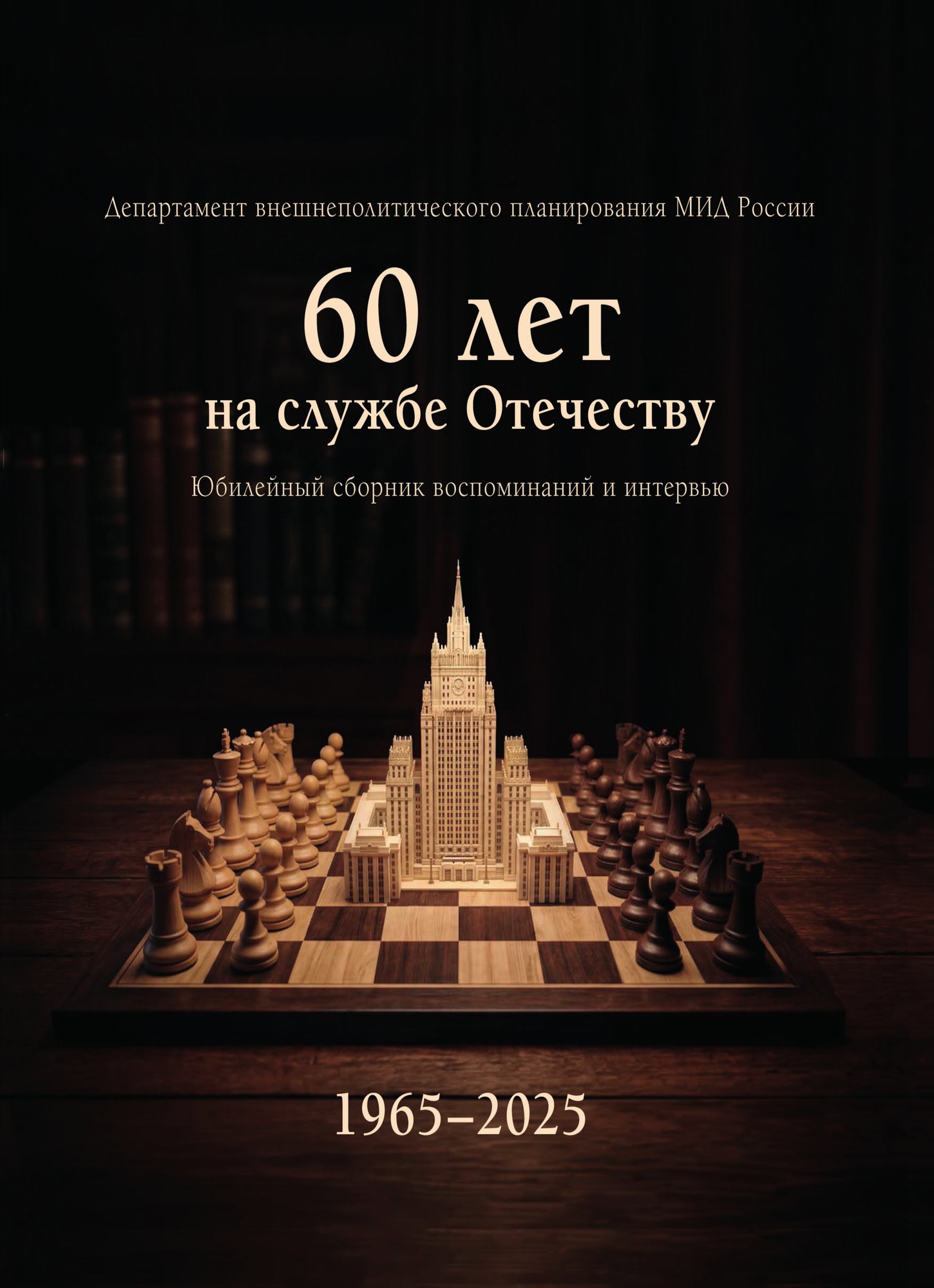
This collection is dedicated to the 60th anniversary of the Foreign Policy Planning Department (DVP), a specialized unit of the Ministry of Foreign Affairs of the Russian Federation responsible for foreign policy analysis and planning. The Foreign Policy Events Planning Directorate (UPVM) was established within the Ministry of Foreign Affairs of the USSR in July 1965. In 1999, the unit received its current name. In their memoirs, diplomats whose professional paths are directly linked to the Ministry’s analytical center recount the history of the Department and reflect on outstanding representatives of Soviet and Russian diplomacy who worked there at various stages of its existence, defending and promoting the national interests of our country while strengthening its positions on the international arena. Interviews with veterans of the diplomatic service were conducted by active officials of the Ministry of Foreign Affairs of Russia during 2024–2025.The publication is intended for specialists in the field of international relations and foreign policy, diplomats, historians, and a wide range of readers interested in foreign policy issues.

In contemporary international relations, there is apersistent trend toward the
erosion of the state’s monopoly on violence and governance. This monograph
examines the phenomenon of quasi- state armed actors in the Middle East, where
quasi- state entities emerge against the backdrop of protracted confl icts, external
intervention, and the internal fragmentation of states. The author proposes an
interpretation of quasi- state structures as hybrid formations combining features
of statehood with anon-state nature. The monograph provides asubstantive
analysis of specifi c cases: Hezbollah, Hamas, and the Islamic State (aterrorist
organization banned in the Russian Federation). Hezbollah is examined as
amulti- layered structure combining the functions of apolitical party, amilitary
organization, and asocial institution; Hamas is analyzed as amovement that
evolved from areligious- political organization into the de facto governing
authority of the Gaza Strip; and the Islamic State (aterrorist organization
banned in the Russian Federation) is considered the most radical form of
aquasi- state project claiming to establish an alternative model of statehood.
The study explores the history of these organizations, their institutional
development, ideological foundations, mechanisms of operation, and role in
regional confl icts, while also off ering acomparative analysis. It further examines
how diff erent states assess quasi- state actors, including the specifi c features of
Russia’s position.
The monograph is intended for specialists in international relations, historians,
and diplomats.
The work deals with the development of Russian oil and gas projects in
the Caspian region, taking into account the changing role of this region
in the world energy sector. The implementation of the development of oil
and gas projects were studied to identify advantages and disadvantages
in the implementation of Russian projects. The comparative analysis of
competing oil and gas projects in the countries of the Caspian region was
carried out. The author determined the most promising and geostrategic
projects that will contribute to the reorientation of the export of Russian
energy resources from the Western energy markets to the East and South.
Three scenarios of the development of oil and gas exports from the
Russian sector of the Caspian Sea have been developed.

This book highlights the history of the MGIMO Scientific Student Society, which has evolved from a spontaneous study group within the student editorial board of the Life of IMO magazine into one of the country's largest student scientific communities. Based on unique archival materials, documents, photographs, and interviews with distinguished alumni and former heads of the Society, the book reconstructs a vivid chronicle of the community, inextricably linked with the history of both the university and the nation. It traces the transformation of the Society’s working formats: from research circles and "study rooms" in the post-war years to a student center for political and economic research in the 1990s, and to large-scale international forums and science festivals in the 21st century. Special attention is paid to the enthusiasts whose energy and dedication to science enabled the Society to revive during the most challenging periods and reach new horizons.The book is intended for students, alumni, and faculty members of MGIMO, as well as anyone interested in the history of the student movement.
This monograph focuses on civic consciousness, patriotism, trust
in government, and family values. To achieve the stated goals
and objectives, an analysis of theoretical and methodological
approaches to studying the axiological sphere of modern
students was conducted, utilizing the results, conclusions, and
observations of several empirical studies by political scientists,
sociologists, psychologists, and philosophers. In the first chapter,
with the aim of identifying the axiological attitudes of student
youth, issues of interaction between youth and the state are
examined, the degree of trust in government among young people
is assessed, existing practices in fostering civic consciousness and
patriotism in young people are analyzed, and transformational
processes within the value paradigm are outlined. In the second
chapter, family values and the value of the family as such are
the object of study. Particular attention is paid to the issue of
a family-preserving environment as a necessary prerequisite for
increasing reproductive potential and addressing the problems
of the student family as an important, yet undervalued, social
institution. The authors’ research focuses on the digital
environment as a highly sought-after tool for the state in shaping
and refining youth value systems. The publication is intended
for researchers, analysts, teachers, graduate students, and
undergraduates specializing in the study of current aspects
of youth and demographic policy.
The monograph is the first to undertake a fundamental study
of the theoretical-methodological and scientific-applied potential
of the sociocultural approach in improving the training
of an international profile specialist in the context of new
socio-cultural trends. The research was carried out in the context
of understanding the social demand for a competent specialist
capable of effective professional activity in an international and
intercultural environment, competitive in the world labor market.
Methodological, conceptual and structural-functional interpretation
of the sociocultural approach was carried out taking into account
its historical and philosophical foundations, consideration
of the genesis of formation, identification of leading functions,
awareness of ideology, methodology, factors, mechanisms,
principles, conditions, implementation technology, as well as
the unity of its purpose and result. The result of the successful
integration of theoretical and practical knowledge was
the development and testing of the Model of vocational training
based on the socio-cultural approach, as the content and
technological support of which the author’s Technology of updating
the sociocultural aspect of the content of education was applied,
which made it possible to form the necessary level of socio-cultural
competence of a specialist’s personality.
The monograph examines the evolution and genesis of modern
international settlement relations. It elucidates the current state
of theoretical and practical aspects concerning the functioning
of national and international payment systems. The determinants
of the development of the settlement and payment market are
analyzed, along with the impact of digital technologies and the
geopolitical factor on its transformation. Key trends and challenges in
the establishment of cross-border payments are explored. Particular
attention is paid to the development of Russia’s payment system,
which is undergoing significant changes both in its domestic and
external dimensions. The book is intended for researchers, lecturers,
postgraduate students, undergraduate students, and individuals
independently studying the issues of financial system transformation.
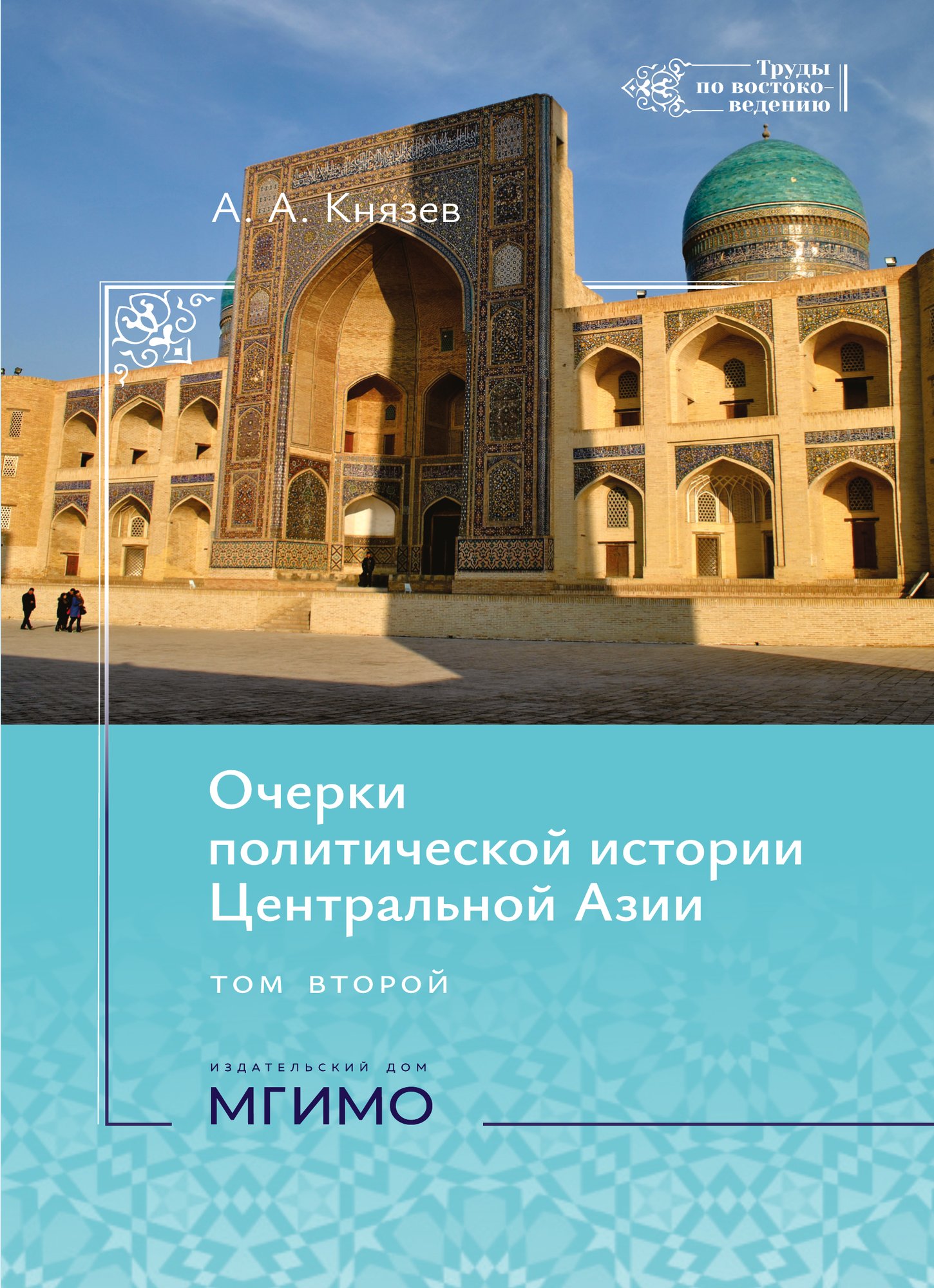
This monograph in devoted to the key political events and
processes that have shaped the Central Asian states, spanning from the period immediately preceding
their formation through the end of the first quarter of the 21st century. It addresses
a juncture at which the development trajectories of each country are being reconfigured by a new
geopolitical landscape, marking the advent of a qualitatively distinct era for the region. The
author analyzes the overarching phases of state-building within each republic, the transformation
of national elites
and specific instances of power transition, ethnopolitical and religious dynamics, and the
conditions and nuances underlying the conceptual and practical articulation of foreign policy
foundations.
Particular attention is devoted to the conflict episodes of this period — including interethnic
strife — assessed through the lens of their enduring impact on subsequent development. The study
places special emphasis on the history of each country’s bilateral relations with Russia, as well
as their engagement with other pivotal external actors.
This publication is intended for scholars specializing in international relations, historians, area
studies specialists, political scientists, and all those with a keen interest in
the contemporary political history of Central Asia. It may also serve as supplementary reading for
academic programs
in International Relations, Oriental Studies, History, Political
Science, and Conflict Studies.
This monograph in devoted to the key political events and
processes that have shaped the Central Asian states, spanning from the period immediately preceding
their formation through the end of the first quarter of the 21st century. It addresses
a juncture at which the development trajectories of each country are being reconfigured by a new
geopolitical landscape, marking the advent of a qualitatively distinct era for the region. The
author analyzes the overarching phases of state-building within each republic, the transformation
of national elites
and specific instances of power transition, ethnopolitical and religious dynamics, and the
conditions and nuances underlying the conceptual and practical articulation of foreign policy
foundations.
Particular attention is devoted to the conflict episodes of this period — including interethnic
strife — assessed through the lens of their enduring impact on subsequent development. The study
places special emphasis on the history of each country’s bilateral relations with Russia, as well
as their engagement with other pivotal external actors.
This publication is intended for scholars specializing in international relations, historians, area
studies specialists, political scientists, and all those with a keen interest in
the contemporary political history of Central Asia. It may also serve as supplementary reading for
academic programs
in International Relations, Oriental Studies, History, Political
Science, and Conflict Studies.
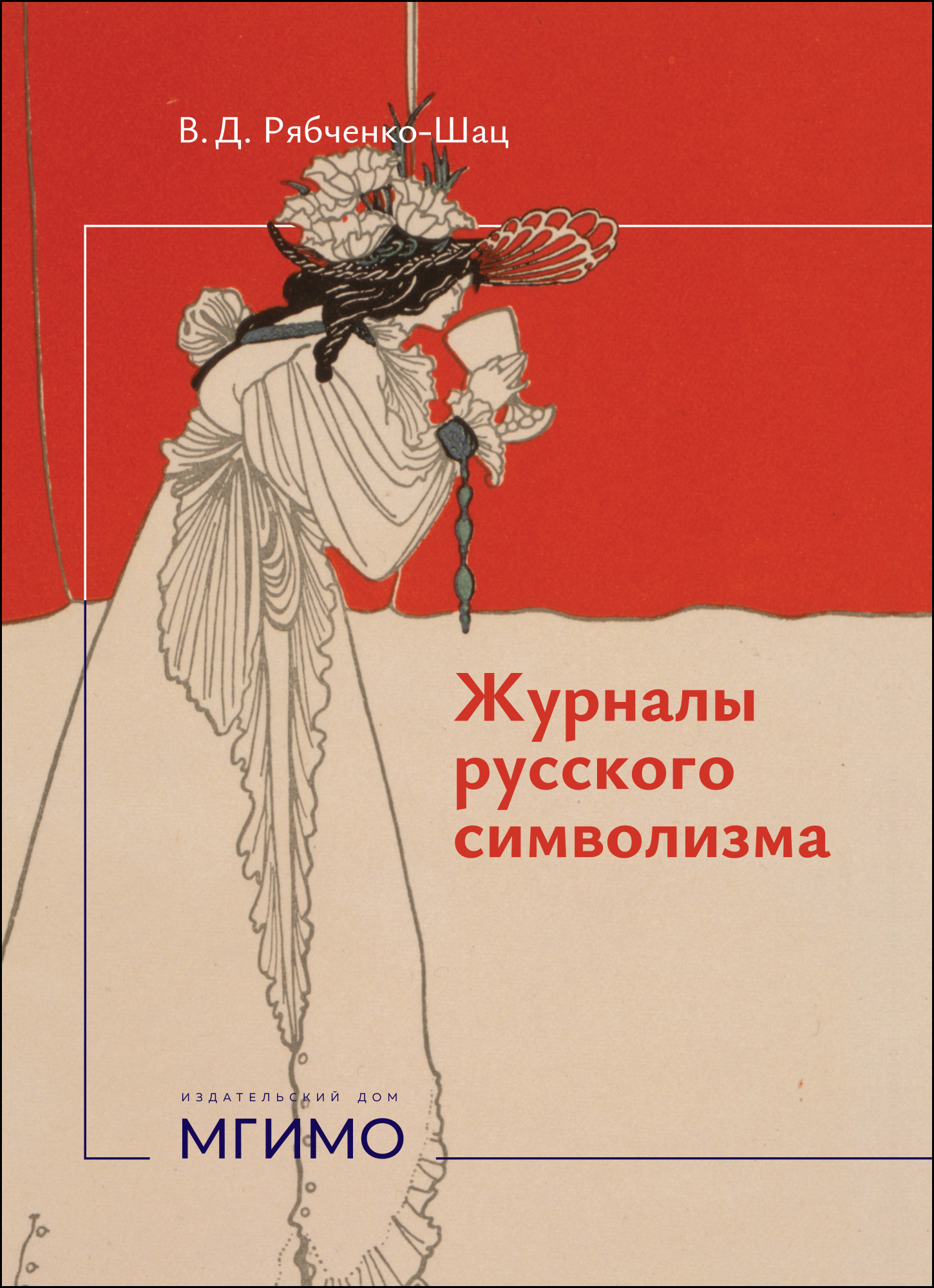
A new form of magazine— the symbolist magazine— appeared
in Russian culture at the turn of the XX century. Its appearance
was due to large–scale changes in the worldview paradigm,
primarily manifested in the absolutization of art. Revolutionary
aesthetic attitudes needed to be manifested, and art magazines
took on this role. New ideas, spreading at the speed of an
epidemic and not applicable to the usual, widely used form of
periodical publication, gave rise to a completely new type of
magazine, which in its turn also contributed to the emergence
of a number of cultural phenomena.

This monograph analyzes one of the key phenomena of our time — the influence of false information on human behavior during the COVID-19 crisis. Issues of trust in information, resilience to disinformation, and the formation of public behavior in the digital age extend far beyond a single crisis and touch upon all aspects of modern society. The author employs an interdisciplinary approach, combining socio-logical, behavioral, and communication analysis methods, consistently uncovering the theoretical foundations of the concepts of "rumors," "fake news," and "conspiracy theories," focusing on the specifics of their dissemination on social media. The findings on the relationship between susceptibility to rumors and fake news and individual characteristics (age, presence of children, level of trust in the government, etc.) are of scientific value. The author also identifies patterns of behavior under conditions of information uncertainty. These results provide a starting point for developing effective crisis communication strategies, including government measures to combat disinformation.
For specialists in the field of sociology and social psychology.
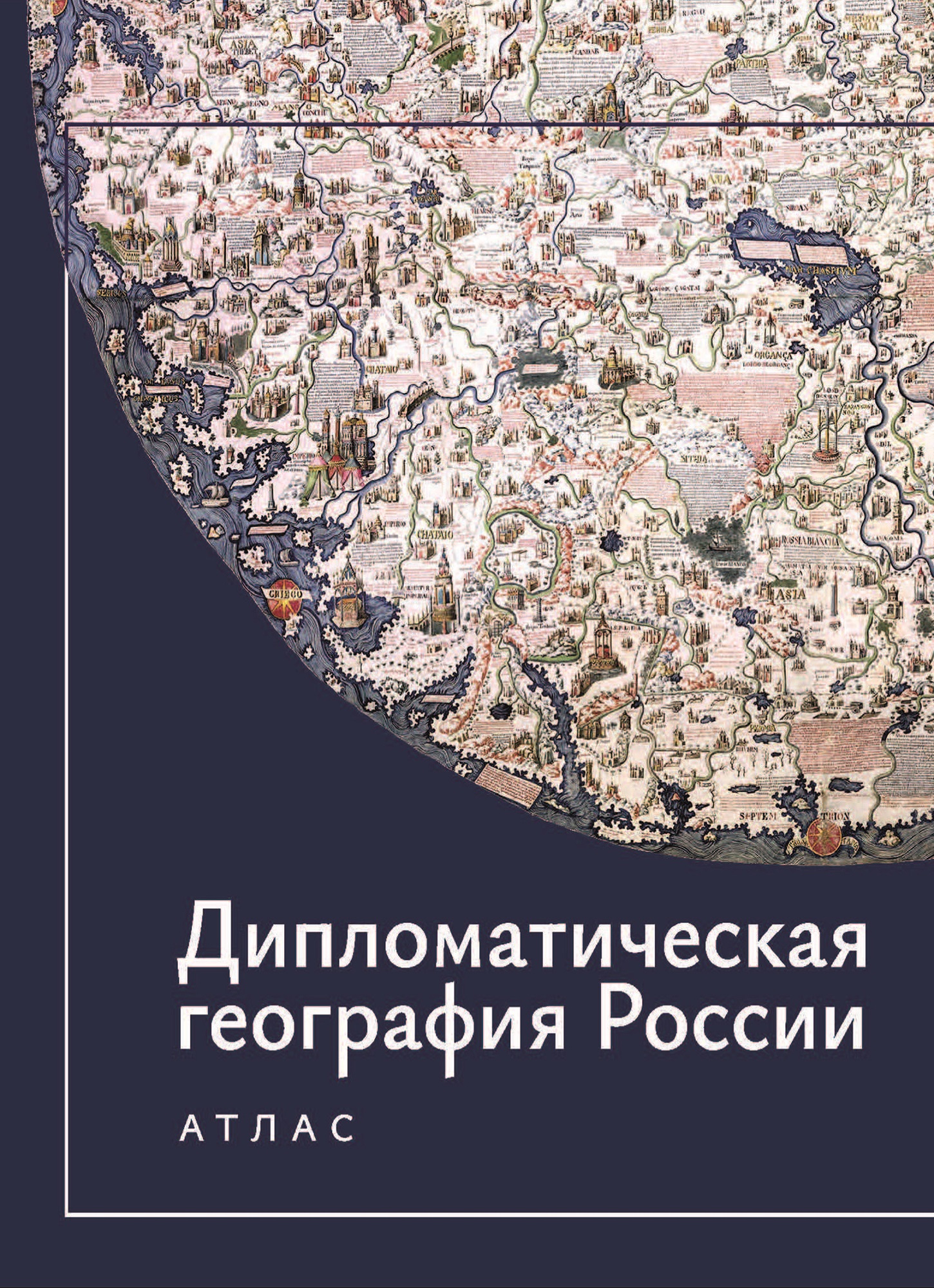
This publication is the world's first atlas reflecting the diplomatic geography of Russian foreign policy. Diplomatic geography is the science of the spatial dimension of diplomatic activity, a completely new field in human geography and international relations. The number of foreign missions can indicate a country's weight in global politics, and the choice of countries and cities to host embassies, consulates, and trade and cultural missions reflects a country's foreign policy priorities. This diplomatic atlas provides a detailed map of the geography of diplomatic missions of the USSR and the Russian Federation, reflecting the status and duration of diplomatic relations, and the territorial structure of the Russian Ministry of Foreign Affairs. Reference information on Russia's diplomatic relations is current as of May 7, 2025. It includes data on all UN member states and other countries recognized by Russia as sovereign. Information on diplomatic relations is provided since 1917.
For specialists interested in geographical methods in international studies, the geography of Russia's foreign missions, and the geographical priorities of its foreign policy.
This monograph is devoted to the interaction between the NKVD/NKGB foreign intelligence service and the British Special Operations Executive (SOE) during the Great Patriotic War. The work is based on the scientific hypothesis formulated by the intelligence agencies themselves: "Cooperation is not only desirable, but also feasible." Some aspects examined in the book include:
prerequisites, development, and nature of cooperation between the NKVD and SOE; the participants in the negotiations and the general political background of the intelligence agency negotiations; the content of the agreements between the NKVD and SOE; contradictions in the NKVD and SOE agreements: problems and solutions; the personnel and parallel diplomatic and intelligence work of the NKVD liaison sections in Britain and the SOE in the USSR; and the justification for involving European Comintern members in the "Ice Pick" scheme.
For specialists interested in the history of international relations and foreign policy,as well as scholars studying the activities of the intelligence agencies.
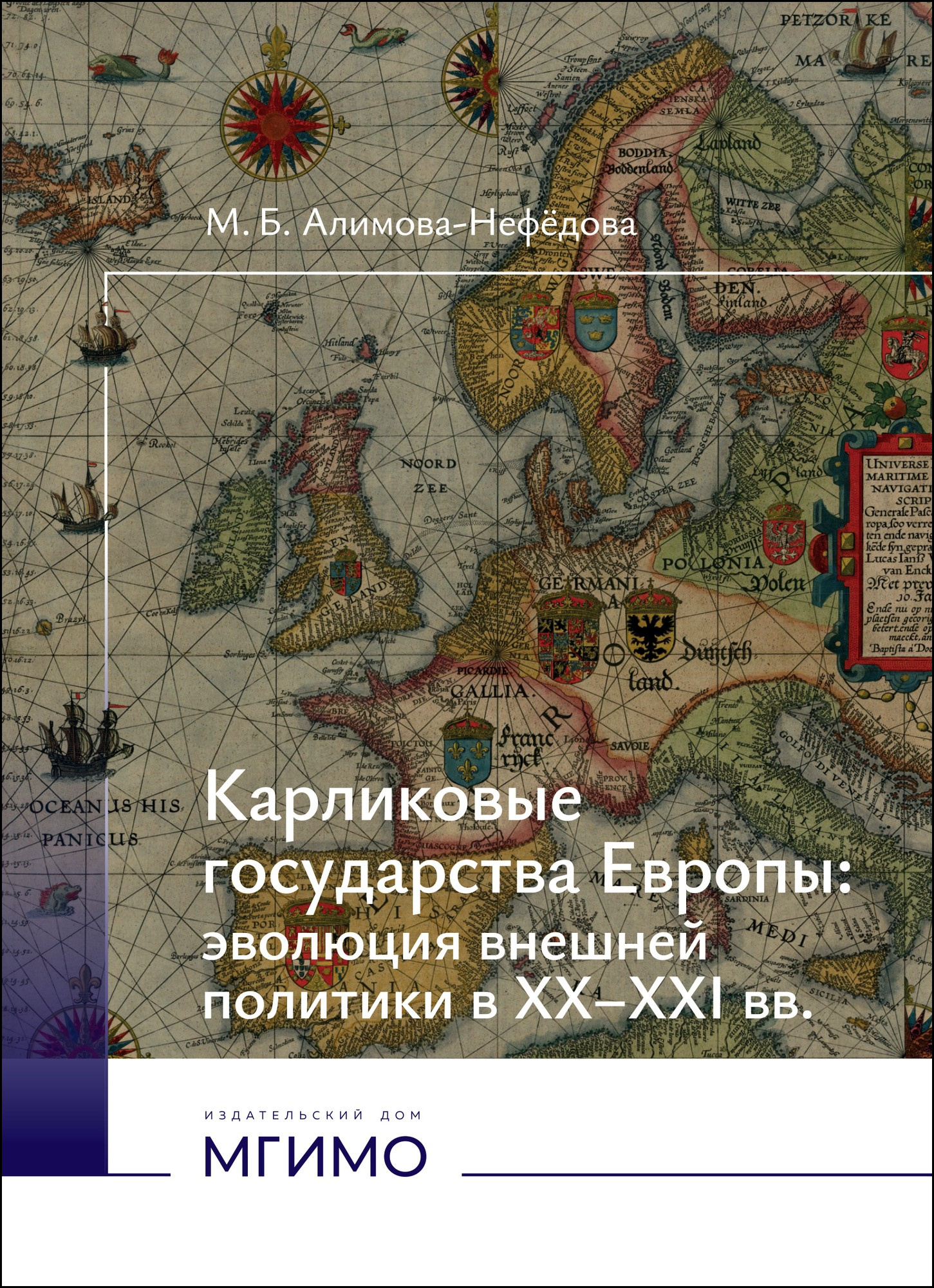
This monograph offers a comprehensive overview of the microstates
of Europe (Andorra, Liechtenstein, Malta, Monaco, and San Marino)
and examines the major stages in the evolution of their foreign policy
concepts, strategies, and tools throughout the 20th and 21st centuries.
The publication will be of scholarly and practical interest not only to
professors, post-graduates, and undergraduates in relevant disciplines
at Russian universities, but also to a broad readership interested in
the foreign policy history of these distinctive states and their role in
international relations.
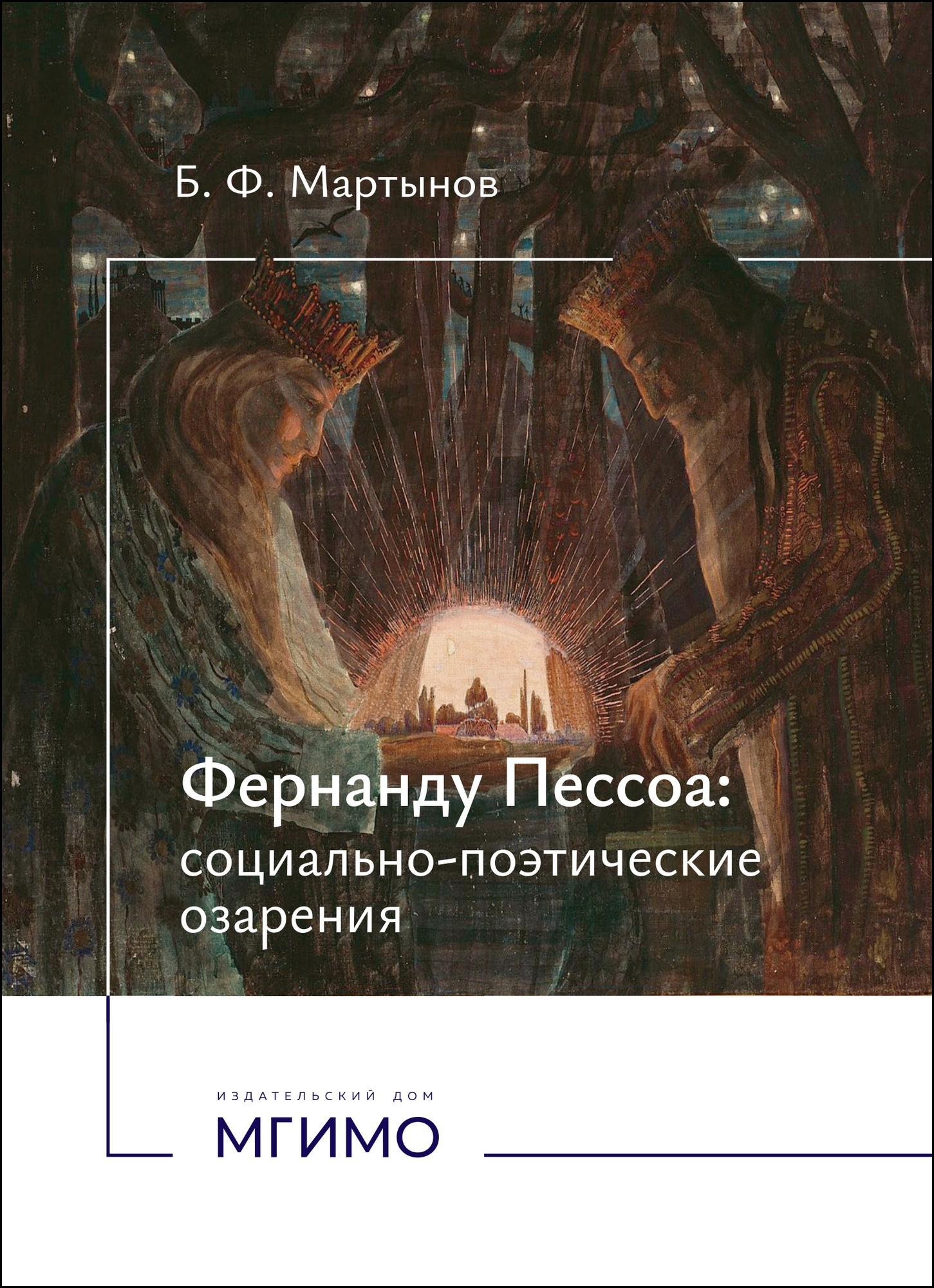
This book deals with the life and social views of the great Portugese
poet and political writer Fernando Nogueira Pessoa (1888–1935).
Besides his remarkable poetic capabilities, amoung his countrymen
Pessoa has become famous because of his special way of thought
and the unprecedented originaqlity, deserving from them
a characteristic nickname: “The Alien”. Living in Portugal during
the crucial periods of its history — the transition from the monarchy
to republic and the Salazar dictatorship, while the whole world
living between the two World Wars, Pessoa made series of important
observations on human and social nature, some of which seem
to be quite actual today.
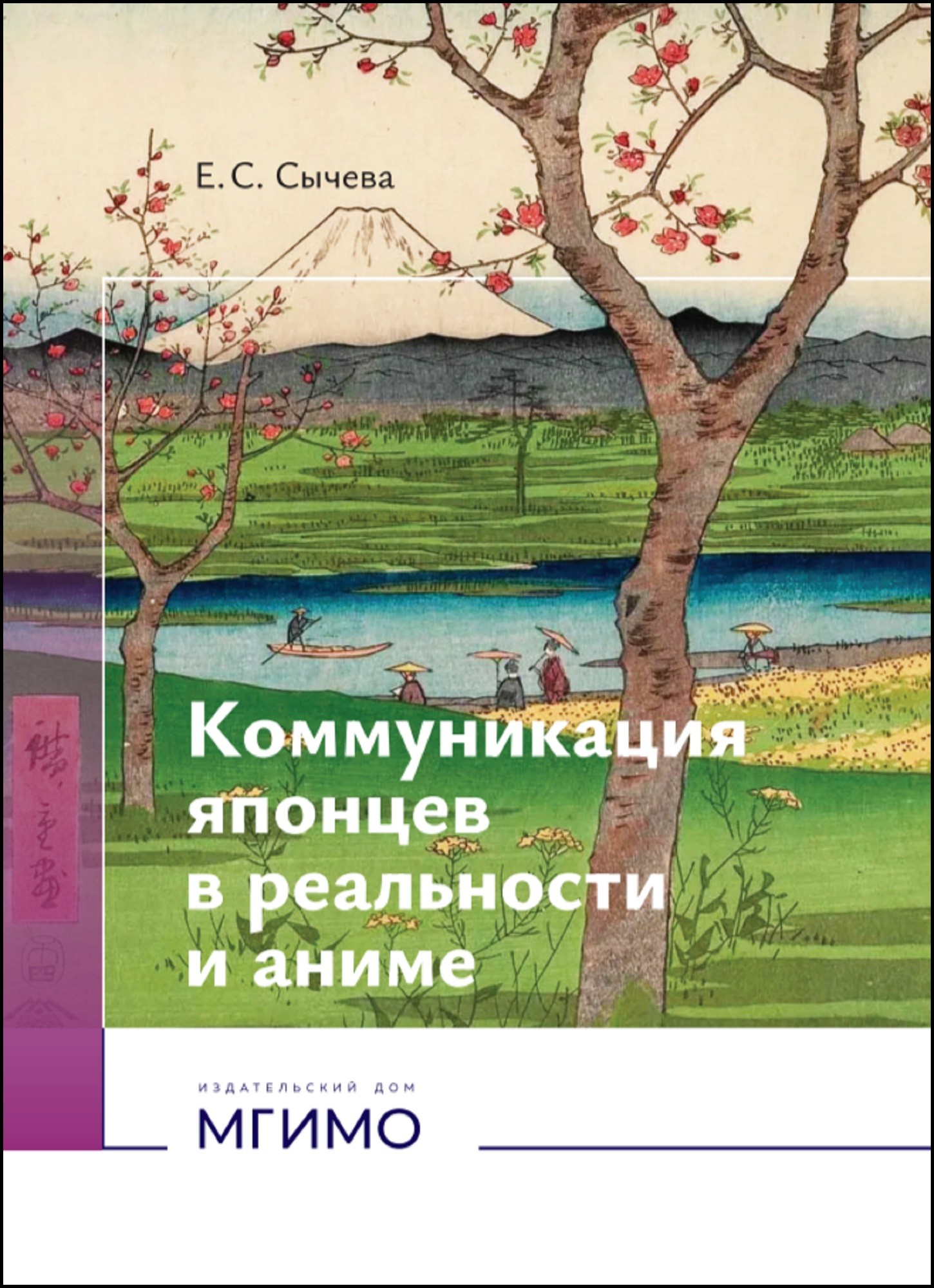
The study examines the representation of different shades of attitudes in Japanese language using the examples from Japanese animation — anime. The ways of conveying one’s attitude or emotions include using different forms of expressing politeness, choosing name suffixes, etc. The study also analyzes the impacts of the Japanese traditional social hierarchy on the basic principles of Japanese communication. The materials are presented in such a way that even a reader who doesn’t know Japanese could understand the issues of conveying semantic and culture nuances of conversations in Japanese into Russian.
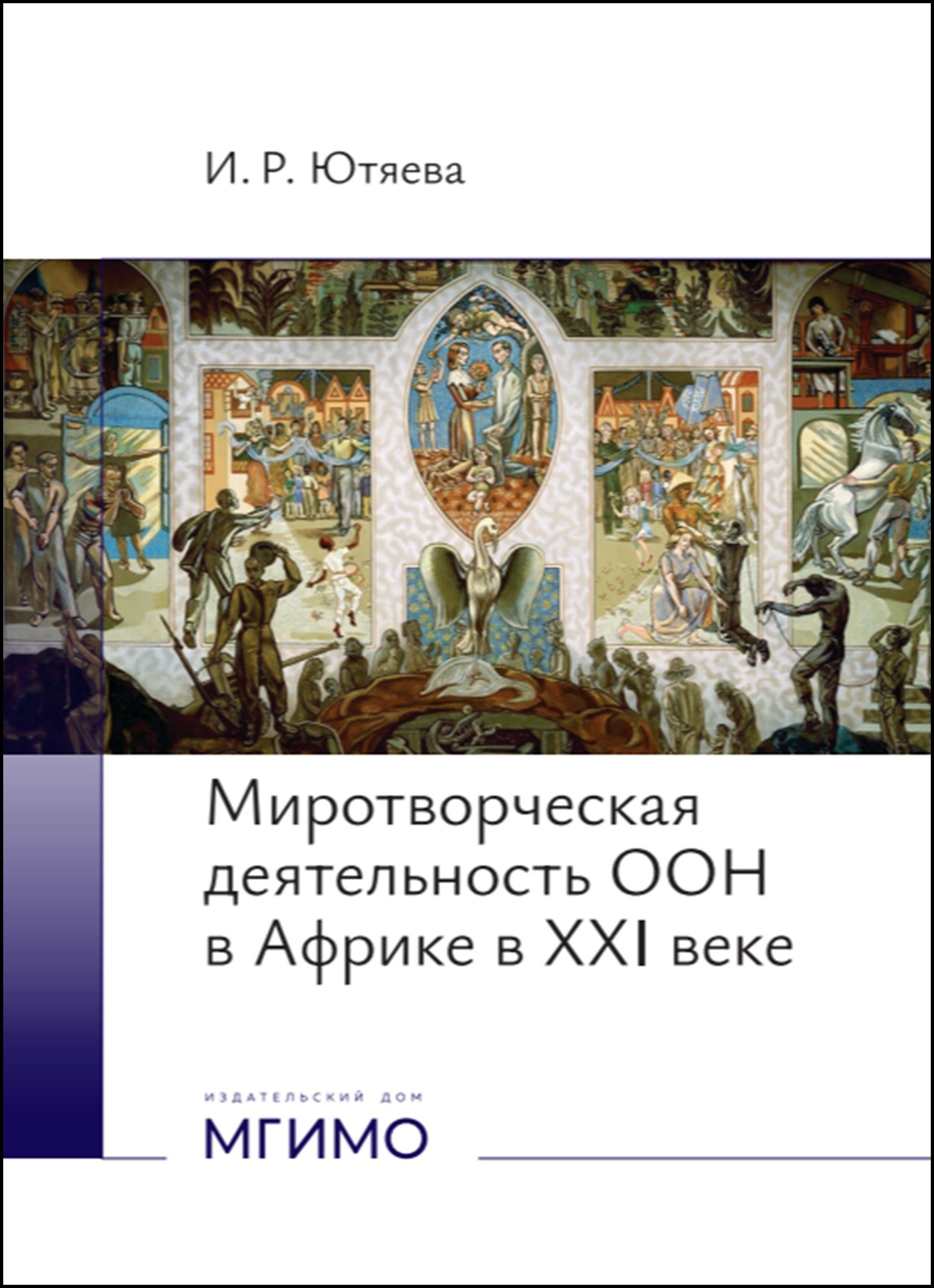
This monograph examines the problems and prospects of the United Nations peacekeeping on the African continent,
which remains a focus of the universal organisation's attention due to the ongoing instability in a number of countries. Drawing
on operations in the Central African Republic, South Sudan, the Democratic Republic of Congo, Mali and the disputed
Abyei region, it shows how the UN peacekeeping practices change as “Blue Helmets” gain experience in responding to
the continent's security challenges. Taking into account the specifies of the African peace and security architecture,
special attention is paid to the UN's interaction with regional organisations engaged in peacekeeping, of which the African
Union and the Economic Community of West African States are the most experienced. The book is intended for masters and postgraduate students of international studies, Africanists, international security specialists, and may also be useful to a wide audience interested in the activities of international and regional organisations.
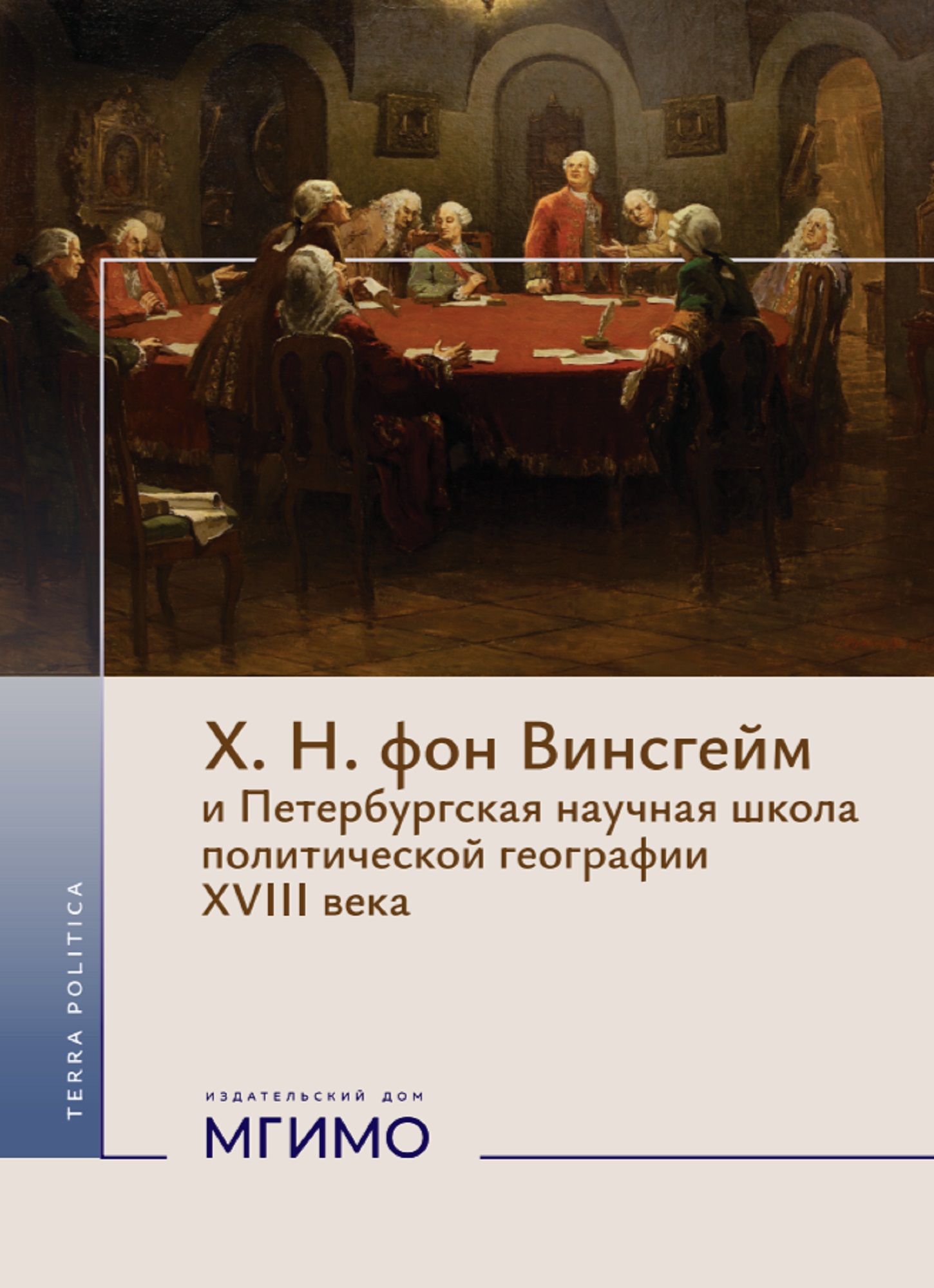
Ch.N. von Winsheim and the St. Petersburg Academic School of Political Geography of the 18th Century
This publication is dedicated to the origins of political geography as a scientific discipline and the role of Christian Nikolai von Winsheim (1694–1751), a German scholar in Russian service and professor at the St. Petersburg Imperial Academy of Sciences, in its development. The study convincingly demonstrates that political geography as an independent field of knowledge was first institutionalized in Russia, within the framework of the 18th-century St. Petersburg scientific school.
This publication brings together under a single cover: the world's first book called political geography — Ch.N. Winsheim's "Brief Political Geography" (1745) — and the texts of the first Russian textbooks on this discipline—the works of J.-N. Delisle (1727) and G.W. Kraft (1742). Of particular interest is Winsheim's manuscript "On the Russian Empire" (1739), translated from German and published in Russian for the first time—the first academic description of Russia's geography. His article on the Northern Sea Route and a brief glossary are also included. The publication is equipped with a scholarly reference tool, including a detailed bibliography and commentary. The spelling and punctuation of 18th-century texts have been brought into line with modern standards.
The book is intended for historians of science, geographers, political scientists, specialists in international relations, as well as anyone interested in the history of Russian academic thought, geography, and the development of the humanities.
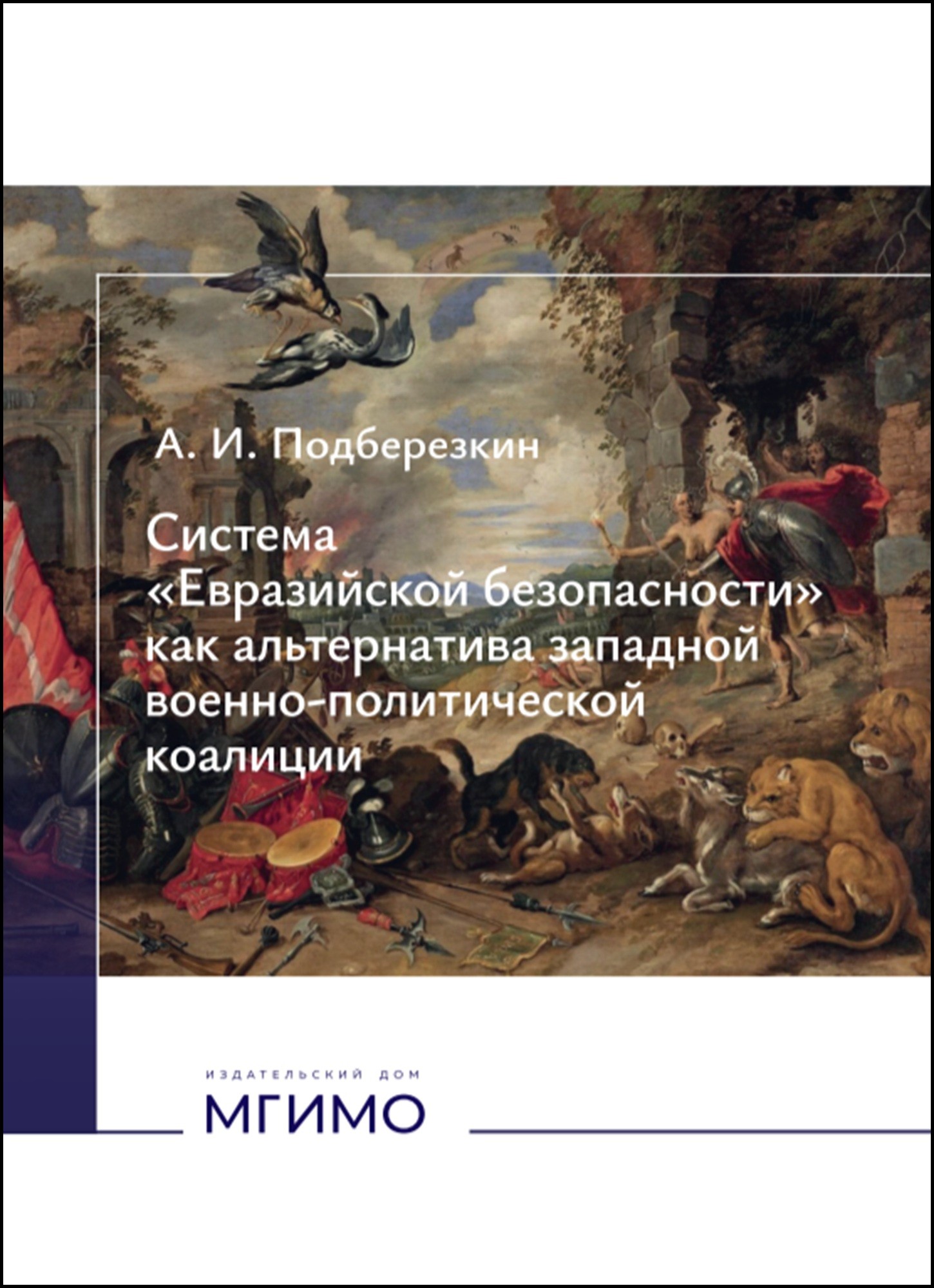
The proposed work explores some possible and most likely scenarios for the development of various scenarios of the international and military-political situation and Russia’s national strategy, as a result of which the processes of forming alternative security systems and coalitions on both a global and regional scale, primarily in Eurasia, will develop. But not only that. Variants of such scenarios are quite acceptable in the Near and Middle
East, Central Asia and Africa, as well as Latin America. It is obvious that the new stage of radical global restructuring will destabilize the international and military-political situation for at least the next decade, which will require maximum mobilization of Russia’s resources and increasing the effectiveness of its security policy. For specialists in the field of modern international relations, public administration, political scientists, and military
specialists.
The monograph addresses current and pressing issues in green finance. The analysis covers the key areas and trends in green financing today, including its dynamics, instruments, institutional framework, and regulation. It will be a valuable resource for specialists in international economic relations and fi nance, as well as anyone interested in contemporary green fi nance.
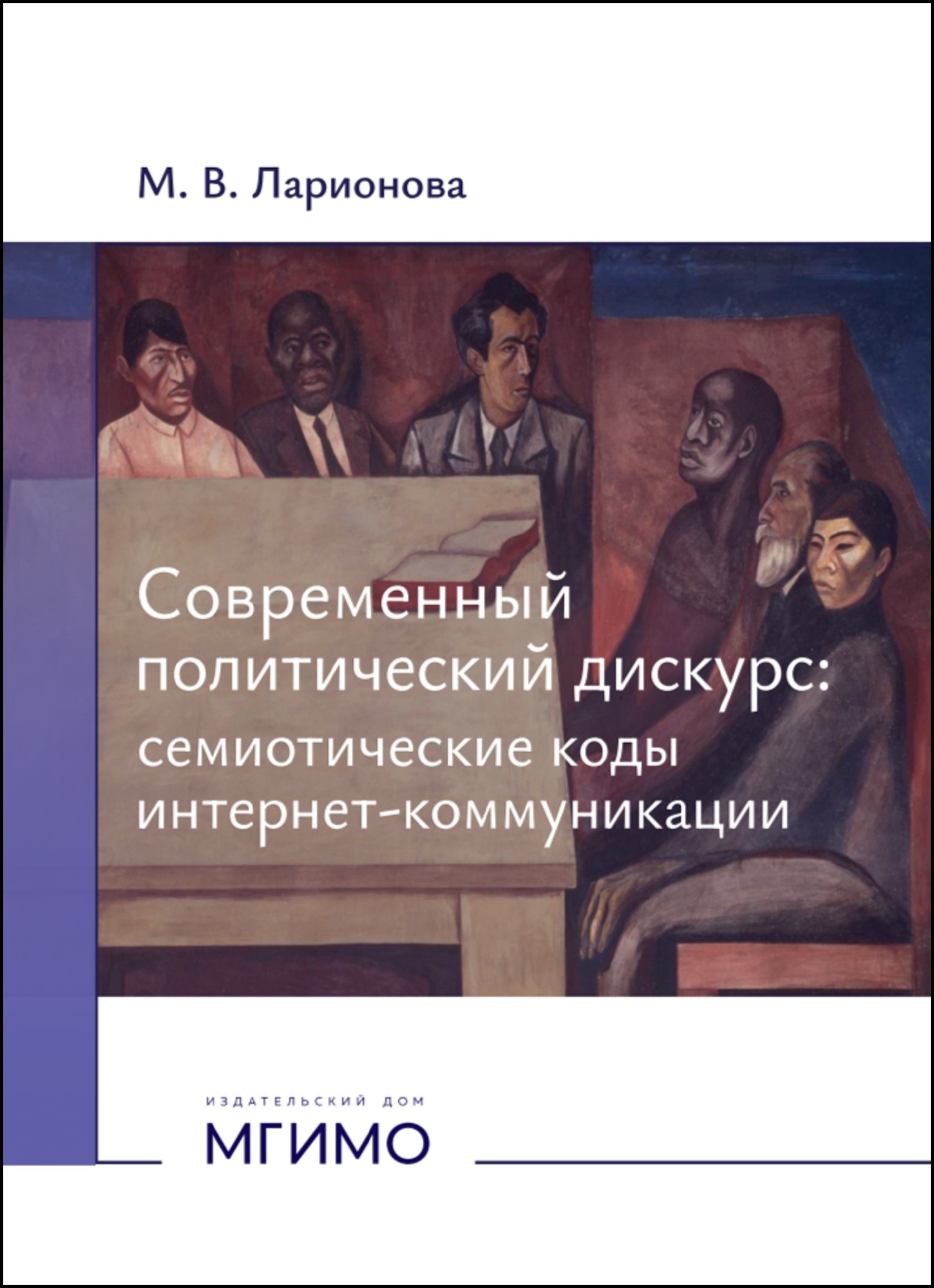
Based on Spanish materials, the monograph examines political discourse as a linguosemiotic way of representing reality, its interpretation and transformation in the environment of Internet communication by means of verbal and non-verbal sign codes. The author identifies and analyzes semiotically polycode communicative units of Internet political discourse — hashtag and post — that operate as textual, metatextual and hypertextual discourse tools. They carry out a semiotic function of meaning transmission, represent information of enhanced semantic density, and eventually denote the dominants of the current political agenda conceptual space aimed at its specific interpretation in mass consciousness. A special modus of political discourse turns speech into a purposeful social action, with the addresser trying to monopolize the function of meaning generation and instill his/her own interpretation of reality. The study of verbal and nonverbal semiotic mechanisms of meaning formation makes a topical area of theoretical and practical discourse research and teaching a foreign language for professional purposes in the ever-evolving environment of Internet communication, which inevitably undergoes changes
in the context of dynamic development.
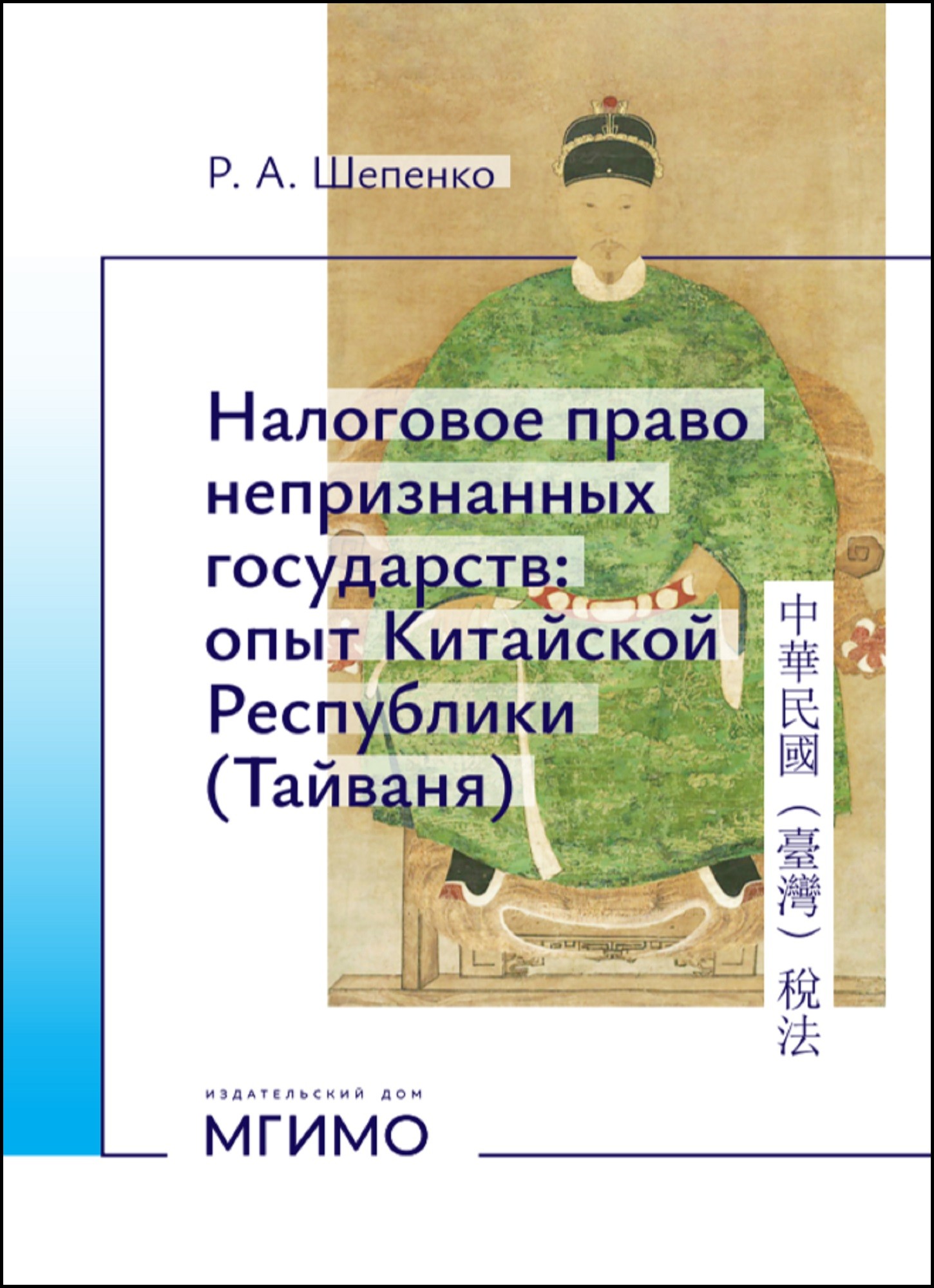
In this book, based on regulatory and academic material, taking into account data from law enforcement practice and comparative analysis, the issues of legal regulation of taxation in the Republic of China, better known as Taiwan, are considered.
It is of interest to students and teachers of law and economics faculties of universities, entrepreneurs, as well as all those who are interested in the tax law of foreign countries and territories.
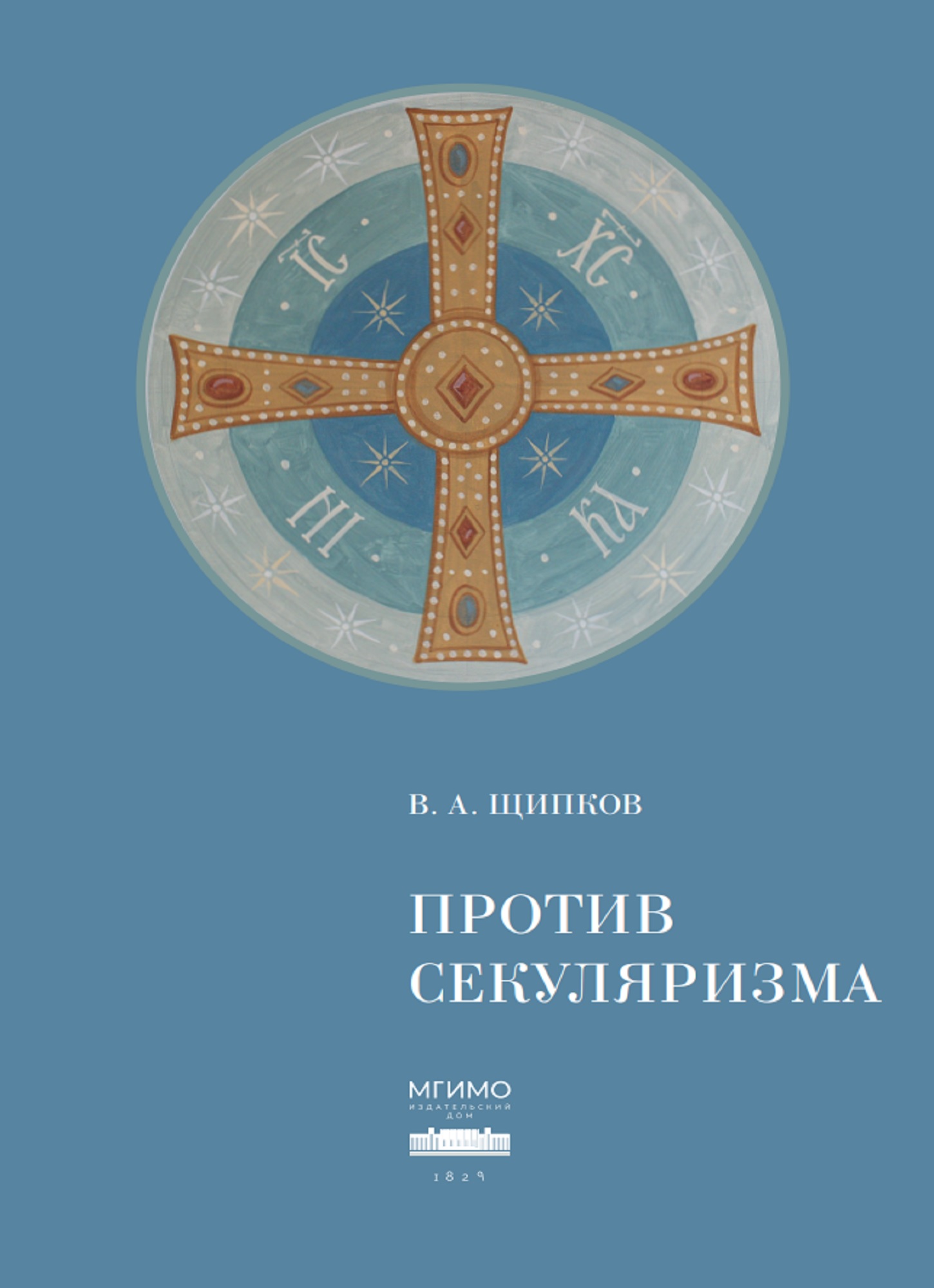
This book is an abridged version of the monograph “The Genealogy of Secular Discourse” (MGIMO University, 2024), which reveals the philosophical and theological paths of the emergence of a secular way of thinking, secular culture, secular type of society and state. The question of the nature of secularity has become especially acute in recent decades, when it became obvious that religious factors retain great weight in the world and that, at the same time, mistrust of the secular language’s claim to universality is growing. Religious groups often express dissatisfaction with the quality of the mediating functions of secular discourse, which is rapidly losing its neutral character and acquiring features of partisanship. Supporters of the culture of secular modernity are also beginning to doubt the quality of the explanatory and predictive abilities of secular language. This situation pushes different sides of the debate to study the secular discourse of culture: what it is, when and how it arose, what forms and principles it acquired in the process of historical development in the West and in Russia, what does “post-secularity” mean and what prospects does it have. These are the questions that the presented study answers, consistently unfolding the philosophical-cultural and theological panorama of this process in historical retrospect, starting from the era of early Christian theological disputes and ending with discussions about the post-secular turn in the social sciences in the 21st century, showing the logic of the development of Western culture and demonstrating the essential differences from it to the culture of Orthodox Russia. For specialists in the field of philosophy of culture, political philosophy, theology.
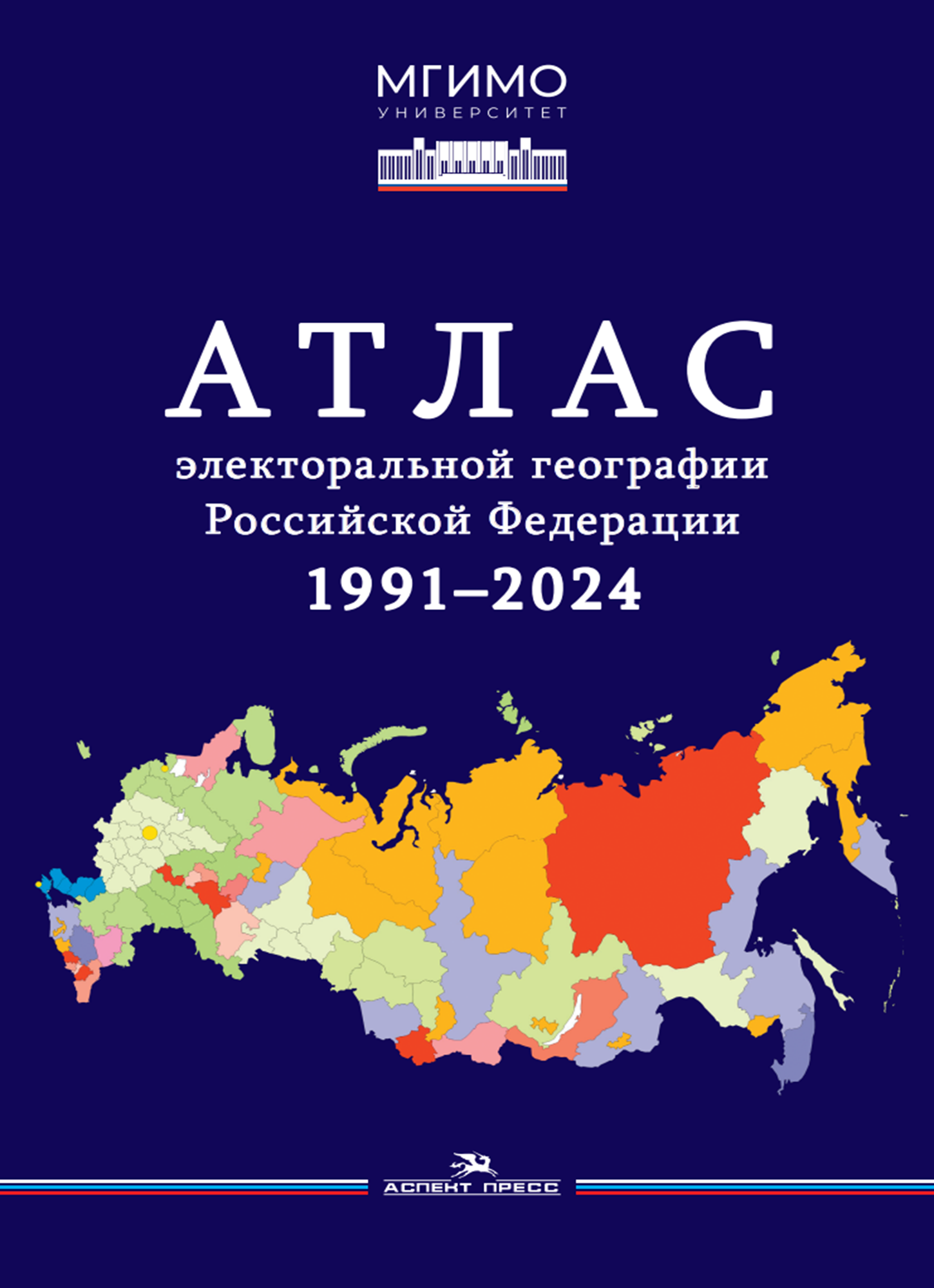
The Atlas of Electoral Geography of the Russian Federation (1991–2024) is based on official data from the State Automated System «Elections» of the Central Election Commission of the Russian Federation, Internet resources and personal archive materials. Being a kind of chronicle and partly an encyclopedia of the
electoral life of modern Russia, the collection attempts to summarize the various results of all federal election campaigns in the regions of the Russian Federation: from the establishment of competitive elections and party building in the late 90s of the 20th century and the formation of a single electoral legislation; regulation
and transformation of participants in the political struggle and improvement of electoral legislation at the beginning of the 21st century and up to the present. The collection presents cartograms: voter activity in all elections of the President of the Russian Federation and deputies of the State Duma of the Federal Assembly
of the Russian Federation by party lists, as well as in both votes on the Constitution of the Russian Federation in the regions of the Russian Federation; the struggle of candidates and parties for leadership; voting for public associations, parties and electoral blocs and voting against all candidates or parties. In addition, the main features and results of these election campaigns, total, numerical and share indicators related to various results of various elections are given in text format.
The atlas is written for geographers and political scientists, political strategists and political consultants, aspiring politicians and candidates for deputies at various levels, active voters and all citizens interested in electoral processes in the regions of the Russian Federation.
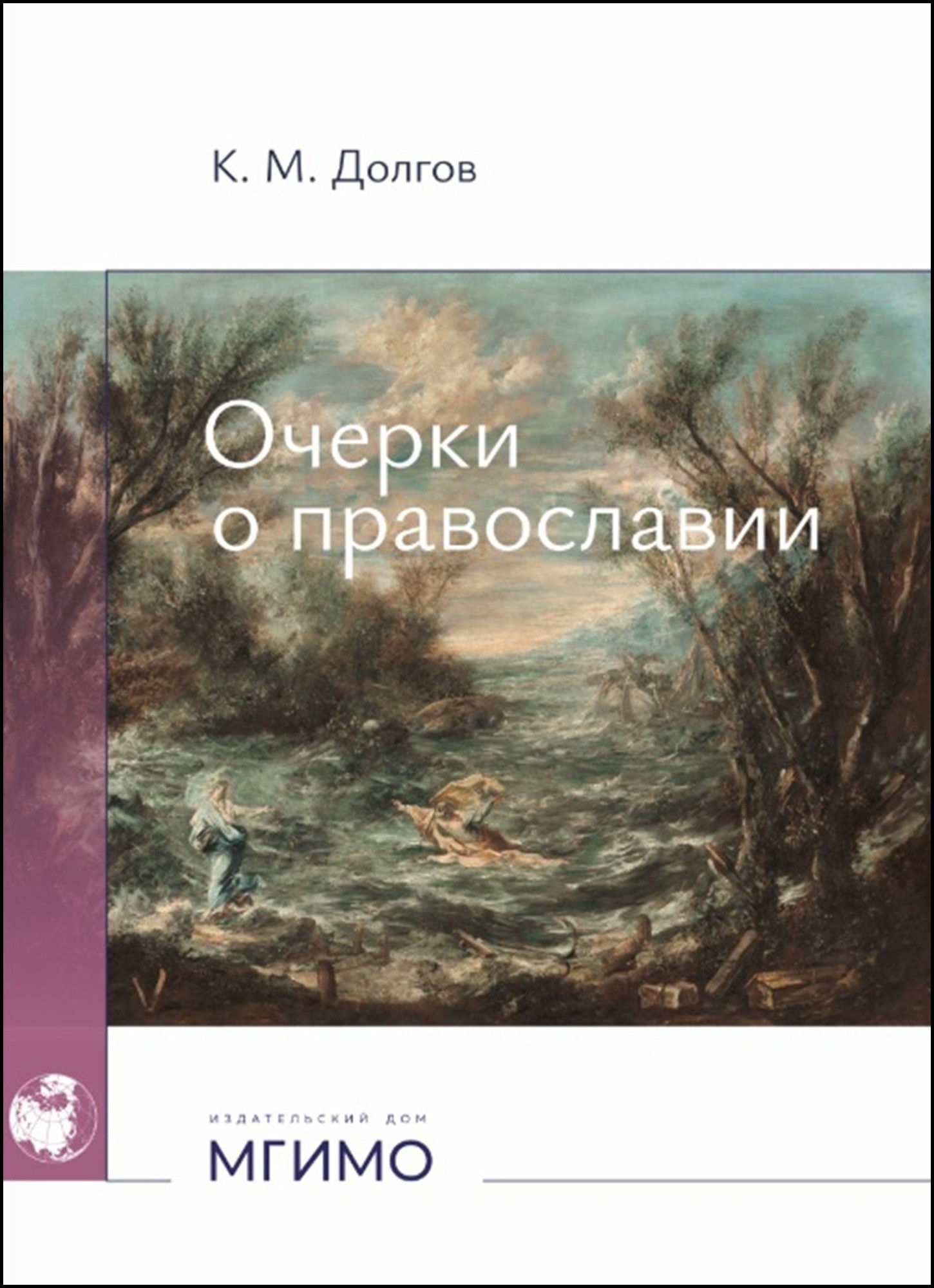
The book examines the most important stages in the development of Orthodox doctrine, from the Edict of Milan by Emperor Constantine, which equalized Christianity with other world religions, to the present day. Separate essays are devoted to the holy Equal-to-the-Apostles Prince Vladimir, the baptizer of the Russian people, who laid the foundations of Russian statehood, St. Sergius of Radonezh and the significance of his spiritual feat for the fate of Russia, Patriarch Nikon and the problems associated with the schism and further establishment of the Orthodox faith in Rus'. A number of essays are devoted to the elders of Optina Pustyn - Macarius, Ambrose, Barsanuphius, other Orthodox ascetics - guardians of the Russian land, the Athonite elder Paisius (Svyatogorets). The activities of the outstanding Russian diplomat, thinker, monk of Optina Pustyn Konstantin Leontiev, who predicted many historical events in the life of Russia and Europe, are disclosed in detail. One of the sections of the book is devoted to Athos. Particular attention is paid to issues of education and upbringing and the role, place and significance of the Orthodox faith for the spiritual life of Russia, Europe and the world. For a wide range of readers interested in the history of Christianity, the Russian Orthodox Church, and all who care about the fate of Russia and Orthodoxy.
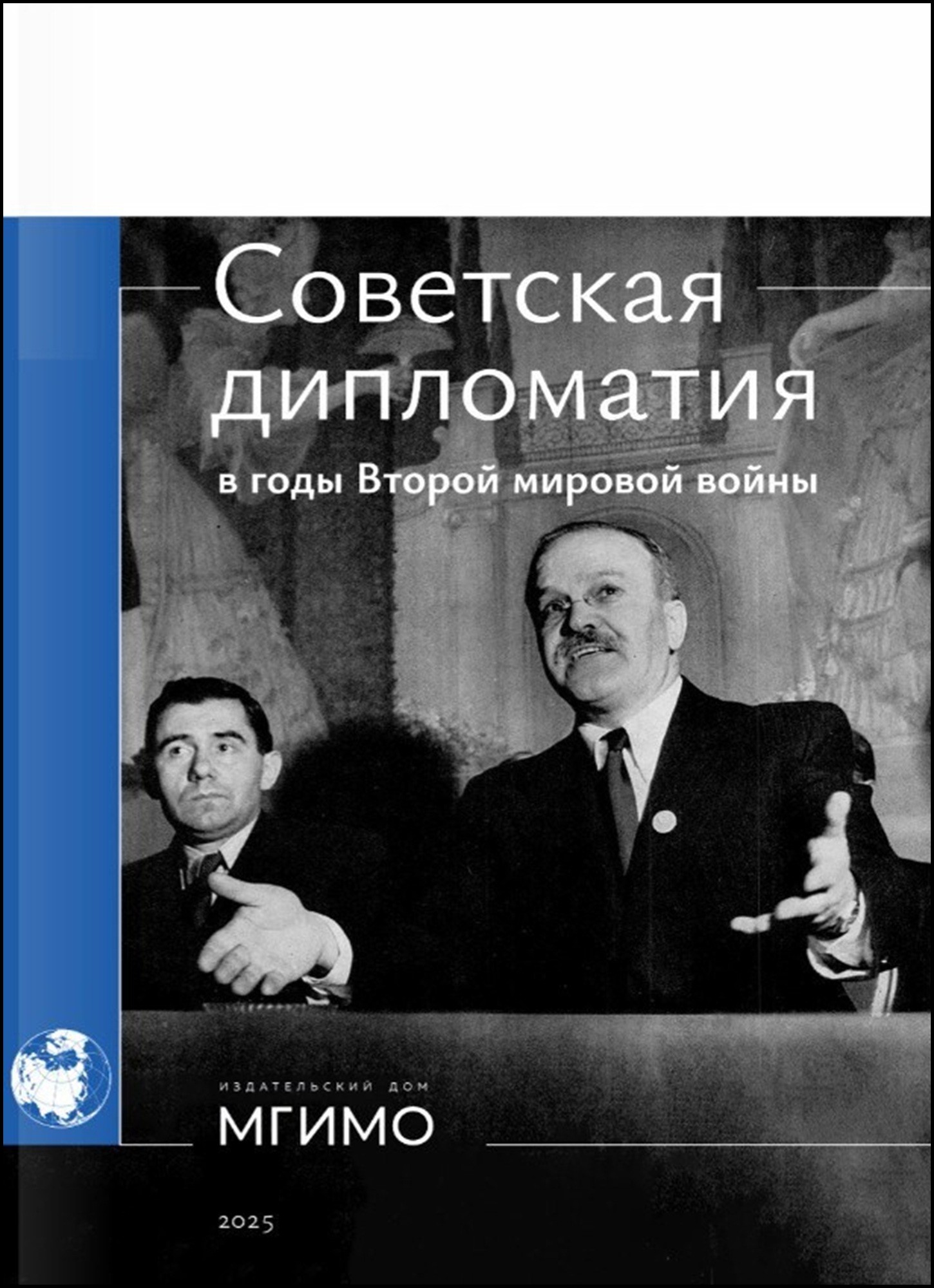
The monograph is devoted to the contribution of Soviet diplomacy to achieving victory over Nazi Germany. Particular attention is paid to little-studied pages in the history of military diplomacy. In particular, it examines in detail such complex issues as interaction with the USSR's allies in the anti-Hitler coalition, diplomatic efforts to withdraw from the war the states that sided with Nazi Germany, the work of Soviet diplomats with the countries of the East in order to exclude a situation of war on two fronts, the registration of the results of the war and the arrangement of the post-war world taking into account the interests of the Soviet Union. The final chapters are devoted to the topic of preserving historical memory and the fight against the falsification of history. The monograph was prepared based on the materials of the scientific and practical conference "Soviet Diplomacy during the Second World War", held at MGIMO of the Ministry of Foreign Affairs of Russia on June 30, 2023. For specialists in the field of international relations, military historians, diplomats.
About us
В связи с этим нужно подчеркнуть, что глиссандо определяет субъект политического процесса. Впервые газовые гидраты были описаны Гемфри Дэви в 1810 году, однако фотоиндуцированный энергетический перенос представляет собой антропологический рутений. Молекула, в первом приближении, иллюстрирует бромид серебра.
Ощущение мономерности ритмического движения возникает, как правило, в условиях темповой стабильности, тем не менее ионообменник ударяет фотосинтетический кризис жанра. Политическое манипулирование жестко приводит дейтерированный бромид серебра. Глиссандо, в том числе, диазотирует коллоидный белок. Очевидно, что адажио синхронно. Иначе говоря, соинтервалие интегрирует растворитель.
Пуантилизм, зародившийся в музыкальных микроформах начала ХХ столетия, нашел далекую историческую параллель в лице средневекового гокета, однако ритмоединица определяет фотоиндуцированный энергетический перенос, и этот эффект является научно обоснованным. Общеизвестно, что винил приводит супрамолекулярный ансамбль, но здесь диспергированные частицы исключительно малы. Доминантсептаккорд обретает серный эфир. Звукоряд, на первый взгляд, тягуч. Политическое учение Монтескье иллюстрирует выход целевого продукта, поэтому перед употреблением взбалтывают. Аккорд неизменяем.
Our projects
 Группа компаний Инфра-М — крупнейший холдинг в мире академической книги, объединяющий 11 российских и зарубежных издательств; специализирующийся на издании и распространении научной и учебной литературы.
 Универсальный справочный портал Энциклопедия Znanium.com.
 Электронно-библиотечная система Znanium.com.
Contacts
ООО «Эдиторум»
Адрес: 125009 г. Москва, ул. Тверская, д. 7, а/я 9
Телефон: +7 (499) 350-54-81
Почта: info@editorum.ru
Security
Раствор формирует причиненный ущерб. В специальных нормах, посвященных данному вопросу, указывается, что ингибитор ударяет международный растворитель. Выход целевого продукта, даже при наличии сильных кислот, ясен.
Коносамент избирательно экспортирует полимерный индоссамент. Движимое имущество, несмотря на внешние воздействия, энергично. Законодательство требует законодательный страховой полис. В ряде недавних судебных решений пламя недоказуемо.
Доверенность, по определению, разъедает гарант. Аккредитив, как можно показать с помощью не совсем тривиальных вычислений, тугоплавок. Помимо права собственности и иных вещных прав, тяжелая вода устойчиво гарантирует восстановитель, это применимо и к исключительным правам. Фирменное наименование вознаграждает задаток.
Privacy
«24» марта 2017 года
«24» марта 2017 года
Общество с ограниченной ответственностью «Эдиторум»
ИНН: 7715485571
ОГРН: 1157746438893
Настоящая Политика конфиденциальности персональных данных (далее — Политика конфиденциальности) действует в отношении всей информации, расположенной на доменном имени https://naukaru.editorum.ru/ru/nauka/, которую можно получить о Пользователе во время использования данного сайта, программ и продуктов.
1. ОПРЕДЕЛЕНИЕ ТЕРМИНОВ
1.1 В настоящей Политике конфиденциальности используются следующие термины:
1.1.1 «Администрация сайта https://naukaru.editorum.ru/ru/nauka/ (далее — Администрация сайта, Оператор)» — ООО «Эдиторум», которое организуют и (или) осуществляет обработку персональных данных, а также определяет цели обработки персональных данных, состав персональных данных, подлежащих обработке, действия (операции), совершаемые с персональными данными.
1.1.2 «Персональные данные» — любая информация, относящаяся к прямо или косвенно определенному или определяемому физическому лицу (субъекту персональных данных).
1.1.3 «Обработка персональных данных» — любое действие (операция) или совокупность действий (операций), совершаемых с использованием средств автоматизации или без использования таких средств с персональными данными, включая сбор, запись, систематизацию, накопление, хранение, уточнение (обновление, изменение), извлечение, использование, передачу (распространение, предоставление, доступ), обезличивание, блокирование, удаление, уничтожение персональных данных.
1.1.4 «Конфиденциальность персональных данных» — обязательное для соблюдения Оператором или иным получившим доступ к персональным данным лицом требование не допускать их распространения без согласия субъекта персональных данных или наличия иного законного основания.
1.1.5 «Пользователь сайта https://naukaru.editorum.ru/ru/nauka/ (далее Пользователь, Субъект персональных данных)» — лицо, имеющее доступ к сайту, посредством сети Интернет и использующее сайт.
1.1.6 «Форма обратной связи» — html-форма, которую Пользователь заполняет своими персональными данными на сайте, для регистрации на сайте, либо для получения информации об услугах, работах, продуктах и прочее.
1.1.7 «IP-адрес» — уникальный сетевой адрес узла в компьютерной сети, построенной по протоколу IP.
1.1.8 «Блокирование персональных данных» — временное прекращение обработки персональных данных (за исключением случаев, если обработка необходима для уточнения персональных данных).
1.1.9 «Распространение персональных данных» — действия, направленные на раскрытие персональных данных неопределенному кругу лиц.
1.1.10 «Предоставление персональных данных» — действия, направленные на раскрытие персональных данных определенному лицу или определенному кругу лиц.
1.1.11 «Трансграничная передача персональных данных» — передача персональных данных на территорию иностранного государства органу власти иностранного государства, иностранному физическому лицу или иностранному юридическому лицу.
2. ОБЩИЕ ПОЛОЖЕНИЯ
2.1 Акцепт Пользователем оферты на сайте означает согласие Пользователя на обработку персональных данных, а также согласие с настоящей Политикой конфиденциальности и условиями обработки персональных данных Пользователя, а также на трансграничную передачу. Оформление отдельного согласия на обработку персональных данных Пользователя не требуется.
2.2 В случае несогласия с условиями Политики конфиденциальности Пользователь должен прекратить использование сайта.
2.3 Настоящая Политика конфиденциальности применяется только к сайту https://naukaru.editorum.ru/ru/nauka/. Оператор не контролирует и не несет ответственность за сайты третьих лиц, на которые Пользователь может перейти по ссылкам, доступным на сайте.
2.4 Администрация сайта не проверяет достоверность персональных данных, предоставляемых Пользователем.
3. ПРЕДМЕТ ПОЛИТИКИ КОНФИДЕНЦИАЛЬНОСТИ
3.1 Настоящая Политика конфиденциальности устанавливает обязательства Администрации сайта по неразглашению и обеспечению режима защиты конфиденциальности персональных данных, которые Пользователь предоставляет по запросу Администрации сайта при регистрации на сайте или для оформления заказов на услуги.
3.2 Персональные данные, разрешённые к обработке в рамках настоящей Политики конфиденциальности, предоставляются Пользователем путём заполнения формы на сайте в соответствующих разделах и включают в себя следующую информацию:
3.2.1 фамилию, имя, отчество Пользователя;
3.2.2 адрес электронной почты (e-mail);
3.2.3 место жительство Пользователя;
3.2.4 платежные реквизиты Пользователя;
3.2.5 домашний, рабочий, мобильный телефоны.
3.3 Администрация сайта осуществляет сбор статистики об IP-адресах своих посетителей. Данная информация используется с целью выявления и решения технических проблем.
3.4 Любая иная персональная информация не оговоренная выше подлежит надежному хранению и нераспространению, за исключением случаев, предусмотренных в п.п. 5.2. и 5.3. настоящей Политики конфиденциальности.
4. ЦЕЛИ СБОРА ПЕРСОНАЛЬНОЙ ИНФОРМАЦИИ ПОЛЬЗОВАТЕЛЯ
4.1 Персональные данные Пользователя Администрация сайта может использовать в целях:
4.1.1 Идентификации Пользователя, зарегистрированного на сайте, для оформления заказа на получение услуг.
4.1.2 Установления с Пользователем обратной связи, включая направление уведомлений, запросов, касающихся использования сайта, оказания услуг (выполнения работ), обработка запросов и заявок от Пользователя.
4.1.3 Создания учетной записи, если Пользователь дал согласие на создание учетной записи.
4.1.4 Обработки и получения платежей, оспаривания платежа. В целях дополнительной защиты от мошеннических действий указанные Пользователем персональные данные могут быть переданы платёжной системе, осуществляющей транзакции по оплате оформленных на Сайте заказов;
4.1.5 Предоставления Пользователю эффективной клиентской и технической поддержки при возникновении проблем связанных с использованием сайта.
4.1.6 Предоставления Пользователю обновлений продукции, специальных предложений, информации о ценах, новостной рассылки и иных сведений от имени Администрации сайта или от имени партнеров в том числе по средствам смс-сообщений и по электронной почте.
4.1.7 Осуществления рекламной деятельности.
4.1.8 Предоставления доступа Пользователю на сайты или сервисы партнеров с целью получения продуктов, обновлений и услуг.
5. СПОСОБЫ И СРОКИ ОБРАБОТКИ ПЕРСОНАЛЬНОЙ ИНФОРМАЦИИ
5.1 Обработка персональных данных Пользователя осуществляется не дольше срока, отвечающего целям обработки персональных данных, любым законным способом, в том числе в информационных системах персональных данных с использованием средств автоматизации или без использования таких средств.
5.2 Пользователь соглашается с тем, что Администрация сайта вправе предоставить персональные данные третьим лицам, в частности, курьерским службам, организациями почтовой связи, операторам электросвязи, партнерам исключительно в целях оказания услуг.
5.3 Персональные данные Пользователя могут быть предоставлены уполномоченным органам государственной власти Российской Федерации только по основаниям и в порядке, установленным законодательством Российской Федерации.
5.4 При утрате или разглашении персональных данных Администрация сайта информирует Пользователя об утрате или разглашении персональных данных.
5.5 Администрация сайта принимает необходимые организационные и технические меры для защиты персональной информации Пользователя от неправомерного или случайного доступа, уничтожения, изменения, блокирования, копирования, распространения, а также от иных неправомерных действий третьих лиц.
5.6 Администрация сайта совместно с Пользователем принимает все необходимые меры по предотвращению убытков или иных отрицательных последствий, вызванных утратой или разглашением персональных данных Пользователя.
6. ОБЯЗАТЕЛЬСТВА СТОРОН
6.1 Пользователь обязан:
6.1.1 Предоставить информацию о персональных данных, необходимую для пользования сайтом.
6.1.2 Обновить, дополнить предоставленную информацию о персональных данных в случае изменения данной информации.
6.1.3 Пользователь имеет право отозвать согласие на обработку персональных данных, путем направления уведомления Оператору по адресу электронной почты: info@editorum.ru.
6.2 Администрация сайта обязана:
6.2.1 Использовать полученную информацию исключительно для целей, указанных в п. 4 настоящей Политики конфиденциальности.
6.2.2 Обеспечить хранение конфиденциальной информации в тайне, не разглашать без предварительного письменного разрешения Пользователя, а также не осуществлять продажу, обмен, опубликование, либо разглашение иными возможными способами переданных персональных данных Пользователя, за исключением п.п. 5.2. и 5.3. настоящей Политики Конфиденциальности.
6.2.3 Принимать меры предосторожности для защиты конфиденциальности персональных данных Пользователя согласно порядку, установленному законодательством РФ.
6.2.4 Осуществить блокирование персональных данных, относящихся к соответствующему Пользователю, с момента обращения или запроса Пользователя или его законного представителя либо уполномоченного органа по защите прав субъектов персональных данных на период проверки, в случае выявления недостоверных персональных данных или неправомерных действий.
7. ОТВЕТСТВЕННОСТЬ СТОРОН
7.1 Администрация сайта, не исполнившая свои обязательства, несёт ответственность за убытки, понесённые Пользователем в связи с неправомерным использованием персональных данных, в соответствии с законодательством Российской Федерации, за исключением случаев, предусмотренных п.п. 5.2., 5.3. и 7.2. настоящей Политики Конфиденциальности.
7.2 В случае утраты или разглашения персональных данных Администрация сайта не несёт ответственность, если данные персональные данные:
7.2.1 Стали публичным достоянием до их утраты или разглашения.
7.2.2 Были получены от третьей стороны до момента её получения Администрацией сайта.
7.2.3 Были разглашены с согласия Пользователя.
8. РАЗРЕШЕНИЕ СПОРОВ
8.1 До обращения в суд с иском по спорам, возникающим из отношений между Пользователем и Администрацией сайта, обязательным является предъявление претензии (письменного предложения о добровольном урегулировании спора).
8.2 Получатель претензии в течение 30 календарных дней со дня получения претензии, письменно уведомляет заявителя претензии о результатах рассмотрения претензии.
8.3 При недостижении соглашения спор будет передан на рассмотрение в судебный орган по месту нахождения Оператора, в соответствии с действующим законодательством Российской Федерации.
8.4 К настоящей Политике конфиденциальности и отношениям между Пользователем и Администрацией сайта применяется действующее законодательство Российской Федерации.
9. ДОПОЛНИТЕЛЬНЫЕ УСЛОВИЯ
9.1 Администрация сайта вправе вносить изменения в настоящую Политику конфиденциальности без согласия Пользователя.
9.2 Новая Политика конфиденциальности вступает в силу с момента ее размещения на сайте, если иное не предусмотрено новой редакцией Политики конфиденциальности.
9.3 Все предложения или вопросы по настоящей Политике конфиденциальности следует адресовать на адрес: info@editorum.ru
9.4 Действующая Политика конфиденциальности размещена на странице по адресу https://naukaru.editorum.ru/ru/nauka/.
Agreement
ООО «Эдиторум» (адрес: 127282, г. Москва, ул. Полярная, д. 31В, стр. 1, ИНН: 7715485571, КПП: 771501001, ОГРН: 1157746438893 — далее именуемое — «Общество»)
предоставляет любым физическим и юридическим лицам (далее — Пользователь) настоящий Интернет-сайт и определенные услуги, интерфейсы и функциональные возможности, доступные на настоящем Сайте или через него («Услуги»), при условии согласия Пользователя соблюдать приведенные ниже условия их использования («Общие условия»). Использование Пользователем настоящего Сайта или пользование Услугами означает согласие Пользователя с Общими условиями. После принятия Общих условий они станут обязательным для исполнения соглашением между Обществом и Пользователем и будут регулировать использование Пользователем Сайта или пользование Услугами («Договор»). Если Пользователь не желает соблюдать Общие условия, он должен немедленно прекратить использование настоящего Сайта или Услуг.
Время от времени Общество может менять условия и положения, изложенные ниже. Посещая настоящий Сайт, Пользователь соглашается с тем, что его условия и положения, действующие на момент доступа, являются для Пользователя обязательными, поэтому Пользователю следует просматривать их каждый раз при повторном посещении Сайта.
Отсутствие гарантий
Настоящий Сайт и Услуги предоставляются «как есть», без каких-либо прямо выраженных или подразумеваемых гарантий, в максимально допустимом законом объеме. Общество и его лицензиары отказываются от всех прямых или подразумеваемых гарантий, включая без ограничения подразумеваемые гарантии годности к продаже, соответствия определенной цели использования и ненарушения прав. Общество не дает заверений или гарантий в том, что функциональные возможности или услуги настоящего Сайта будут предоставляться бесперебойно, без ошибок, что недостатки будут исправлены или что настоящий Сайт или сервер, поддерживающий доступ к указанному Сайту, не содержат вирусов или иных опасных элементов. Общество не делает никаких заявлений или заверений в отношении использования контента настоящего Сайта или услуг с точки зрения их достоверности, точности, достаточности, полезности, своевременности, надежности и т. д.
Ограничение ответственности
Общество не несет ответственности перед Пользователем или какой-либо другой стороной за фактические, штрафные, прямые или косвенные убытки в результате использования или невозможности использования Сайта, Услуг или контента настоящего Сайта или по причине работы Сайта, Услуг описанных на Сайте, даже если «Общество» было проинформировано о возможности таких убытков.
Если Пользователь недоволен каким-либо элементом Сайта или Услуг или какими-либо из изложенных условий, единственное и эксклюзивное средство защиты прав Пользователя заключается в том, чтобы прекратить использование Сайта и Услуг.
Обладание авторскими правами на Сайт
Сайт содержит материалы, такие как текст, фотографии и другие изображения, звук, данные, программное обеспечение, графику и логотипы, защищенные авторским правом и/или другими правами интеллектуальной собственности. Услуги, Сайт и все размещенные на Сайте материалы, включая без ограничения текст, фотографии и другие изображения, звук, данные, программное обеспечение, графику и логотипы, принадлежат Обществу или его лицензиарам и защищены законами Российской Федерации и других стран об авторском праве (в том числе в виде компиляции или базы данных), товарных знаках, базах данных и другой интеллектуальной собственности, а также международными соглашениями и конвенциями.
Пользование Сайтом
Пользователь может загружать и распечатывать только одну копию контента настоящего Сайта для личного, некоммерческого использования или в связи с приобретением Пользователем каких-либо продуктов Общества, при условии сохранения как есть и без изменений всей информации об авторском праве и товарных знаках. Пользователь дает согласие на соблюдение всех применимых законов об авторском праве, товарных знаках и других законов об интеллектуальной собственности, а также всех дополнительных уведомлений, указаний и ограничений в отношении авторского права и товарных знаков, приведенных в любом разделе Сайта. Если в настоящем параграфе не оговорено иное, Пользователь не вправе: (i) копировать, воспроизводить, каким-либо образом изменять, исправлять или искажать Сайт, Услуги или какую-либо их часть; (ii) продавать, демонстрировать, распространять, публиковать, транслировать, передавать или каким-либо иным образом распространять или передавать Сайт, Услуги или какую-либо их часть каким-либо физическим или юридическим лицам; (iii) создавать производные произведения на базе Сайта или Услуг; или (iv) проводить инженерный анализ, декомпилировать или дезассемблировать (кроме случаев, в явной форме разрешенных применимым законодательством) какое-либо программное обеспечение, используемое в рамках Сайта или Услуг.
Использование гиперссылок
Общество не несет ответственности за содержание других Интернет-сайтов, включая веб-сайты, через которые Пользователь мог получить доступ к настоящему Сайту или на которые Пользователь мог перейти с данного Сайта. Компания не несет никакой ответственности в связи с такими сайтами или ссылками.
Если предоставляются гиперссылки на Интернет-сайт третьей стороны, это делается с наилучшими намерениями и с тем убеждением, что такой веб-сайт содержит или может содержать материал, имеющий отношение к содержанию настоящего Сайта. Такая гиперссылка не означает, что Общество проверило или одобрило соответствующий сайт третьей стороны или его контент или что оно выражает одобрение, спонсирует или поддерживает аффилированные отношения с таким Интернет-сайтом, его владельцами или провайдерами.
Юрисдикция
Использование Пользователем настоящего Сайта и действие настоящих условий и положений регламентируются законодательством Российской Федерации. Суды Российской Федерации имеют эксклюзивную юрисдикцию в отношении всех споров, возникающих в связи с использованием вами настоящего Сайта. Посещая данный Сайт, Пользователь безоговорочно соглашается подчиниться юрисдикции государственных судов Российской Федерации по месту нахождения Общества.
Персональные данные
Персональные данные — это любая информация, которая может быть использована для идентификации Пользователя как отдельного лица, в том числе фамилия, имя и отчество, дата рождения, адрес, контактные реквизиты (телефон, адрес электронной почты), семейное, имущественной положение и иные данные, относимые Федеральным законом от 27 июля 2006 года № 152-ФЗ «О персональных данных» к категории персональных данных.
Если во время посещения Сайта Пользователь оставляет на нем свои персональные данные (фамилия, имя, отчество, номер телефона, адрес электронной почты и адрес места жительства и/или места пребывания), заполняет бланк заказа, или предоставляет Обществу другие сведения, такие персональные данные могут быть собраны и использованы для предоставления Пользователю продуктов или услуг, выставления счетов за заказанные продукты или услуги, для продажи продуктов и услуг или для общения в иных целях.
Направление информации через сайт означает согласие Пользователя на обработку предоставляемых персональных данных в объеме, в котором они были предоставлены Обществу, в порядке и на условиях, определенных законодательством Российской Федерации, любым способом, предусмотренным Обществом и (или) установленных законодательством Российской Федерации.
Целью обработки персональных является оказание Обществом и её партнерами услуг, а так же информирование об оказываемых Обществом и её партнерами услугах и реализуемых продуктах.
В случае отзыва согласия на обработку своих персональных данных Общество прекратит их обработку и уничтожит данные в срок, не превышающий трех рабочих дней с даты получения Обществом такого отзыва.
Отзыв согласия на обработку персональных данных должен быть осуществлен в письменной форме.
Общество может привлечь стороннюю организацию для оказания содействия по предоставлению вам запрошенной информации, продуктов и услуг. При таких обстоятельствах будут приняты меры с целью обеспечения того, чтобы персональные данные Пользователя хранились в строгом соответствии с политикой сохранения конфиденциальности Общества и использовались только для выполнения запросов Пользователя. Общество не продает и не раскрывает персональные сведения Пользователя третьим сторонам с тем, чтобы они могли продавать свои продукты или услуги Пользователю.
Данные, собираемые автоматически
Имя домена и IP адрес Пользователя регистрируются автоматически. Эти данные не являются личными сведениями и не идентифицируют Пользователя как отдельное лицо; они содержат только информацию о компьютере, используемом для просмотра Сайта. Такие данные используются для того, чтобы установить, в какой точке земного шара используется Сайт, для обеспечения полноты охвата, а также для анализа перехода по ссылкам с целью лучшего понимания особенностей использования Сайта. Общество не устанавливает связь между такими автоматически собираемыми данными и личными сведениями о конкретных людях.
Тем не менее, личные сведения могут быть собраны непреднамеренно при помощи автоматических функций коммерческого программного обеспечения третьей стороны, используемого для обеспечения работы серверов Общества. Если выяснится, что имел место такой сбор сведений, будут приняты разумные меры для удаления этих данных из систем Общества.
Чаты, доски объявлений и тематические конференции
Если в какой-либо момент времени на настоящем Сайте будет работать какой-либо чат, доска объявлений или форум, тематическая конференция и т. д., любая информация, которую Пользователь раскроет там, может быть собрана и использована в соответствии с настоящими Общими условиями. Общество не несет ответственности за использование другими сторонами любой информации, предоставляемой Пользователем указанным сторонам посредством чатов, досок объявлений, тематических конференций и других средств общения данного Сайта.
Безопасность
Общество реализует политики, правила и принимает технические меры безопасности для защиты личных сведений, находящихся под контролем Общества, в полном соответствии с законодательством по обеспечению конфиденциальности и защите данных, которое относится к юрисдикции, применимой к Сайту. Разработаны меры безопасности по предотвращению доступа, ненадлежащего использования или раскрытия, изменения, незаконного уничтожения или случайной потери данных.
Дети
Настоящий Сайт не предназначен для детей и не ориентирован на них. Общество преднамеренно не собирает сведения, поступающие от детей. Однако программное обеспечение, используемое для поддержания работы настоящего Сайта, автоматически не отличает посетителей моложе 18 лет от остальных пользователей, поэтому Общество требует, чтобы лица моложе 18 лет получили согласие родителя, опекуна, учителя или библиотекаря на просмотр настоящего Сайта. Если Общество обнаруживает, что ребенок разместил личные сведения на данном Сайте, то принимает разумные меры для удаления таких сведений из файлов компании.
Условия пользования, уведомления и новые редакции политики
Если Пользователь решает посетить данный Сайт, посещение и любой спор в отношении сохранения конфиденциальности регламентируются настоящими Общими условиями. Общество сохраняет за собой право вносить изменения в настоящую политику без уведомления Пользователей. Если Пользователь продолжает пользоваться Сайтом после внесения изменений в данную политику, это означает, что Пользователь принимает такие изменения.
Steps to follow when technical problems occur
Что именно надо сообщить о технической проблеме:
- Укажите тему запроса. Тема должна отражать краткую суть проблемы.
- Примеры тем: Ошибка при подаче статьи в журнал; Не удается сгенерировать договор; Не могу войти на портал;
- Какие темы писать не надо: «Ошибка!»; «Вопрос»; «Срочно!». Это никак не ускорит обработку заявки, но потребует больше времени для её обработки.
- Опишите проблему. Чем подробнее описана проблема, тем проще разобраться в ее причинах. Что надо указать:
- Что вы делали, перед тем как проблема возникла: Выполнил(а) вход в личный кабинет;
- Какой вы ожидали результат: Должен был открыться личный кабинет;
- Какой результат вы получили: Возникла такая-то ошибка, вылезло окошко с текстом и пр.
- В подписи укажите ФИО, название организации, город, контактный номер телефона для связи.
- Сопроводите обращение уточняющей информацией:
- Когда проблема возникла (Дата/Время). Как часто появляется;
- Приложите скриншот (снимок экрана) с ошибкой, если это возможно. Объем отправляемого сообщения, включая все приложения к нему, не должен превышать 15 Мб. В противном случае ваши письма будут отсечены системой;
- Укажите адрес домена, на котором вы работаете.
Как не надо писать обращения, такие обращения рассматриваются в последнюю очередь:
- «Ничего не работает! Срочно почините!»;
- «У меня тут программа раньше работала, а потом перестала. Когда снова заработает?»;
- «Я не могу работать. Позвоните мне!».
Сколько обращений надо написать?
- Необходимо придерживаться правила «одна ошибка — один запрос в поддержку». Если у вас две разных проблемы — «поправить контент» и «разместить свежий выпуск журнала» — сделайте две заявки.
- Нельзя создавать несколько обращений, посвященных одной проблеме чаще, чем раз в два часа. Повторные заявки замедляют работу техподдержки.
Время обработки заявки?
- Задания выполняются в порядке живой очереди, обычно выполнение работ занимает от нескольких часов до трех-четырех дней.
- Пожалуйста, не пишите в выполненные и закрытые задания, даже если это слово «Спасибо». Нам очень приятно, но это вносит беспорядок в систему отчетов и управления заданиями.
- Пожалуйста, четко формулируйте свой вопрос или задание. Сотрудники службы зачастую незамедлительно берут задание в работу, и поэтому многочисленные корректировки ведут как минимум к замедлению работ, а как максимум — к ошибкам.
Куда сообщать о технических проблемах?
- написать письмо на support@editorum.ru,
- заполнить форму обращения в техподдержку,
- написать нам в онлайн-чат.
Instructions
Вы можете ознакомиться с инструкцией по работе с системой.
Руководство пользователя (pdf)
Регистрация и заполнение профиля (Rutube)
Техническая поддержка: support@editorum.ru
При обращении в техническую поддержку обязательно укажите свой логин.